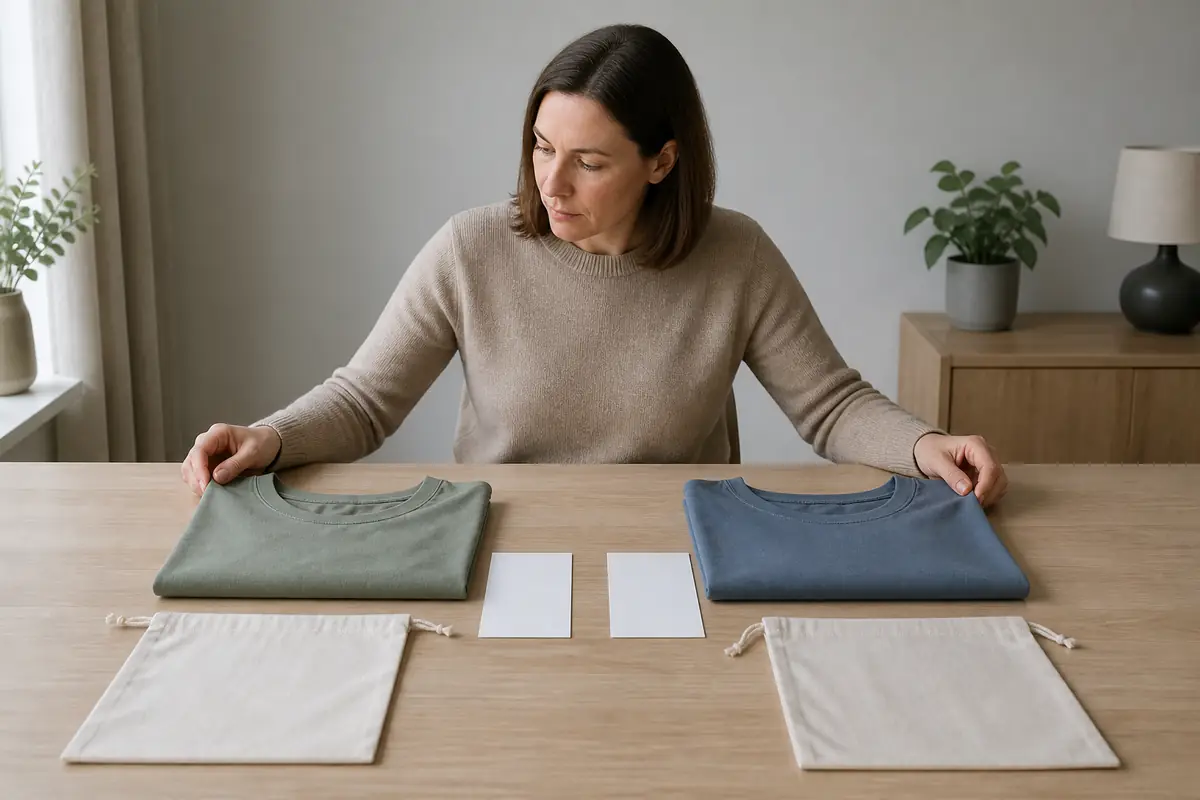
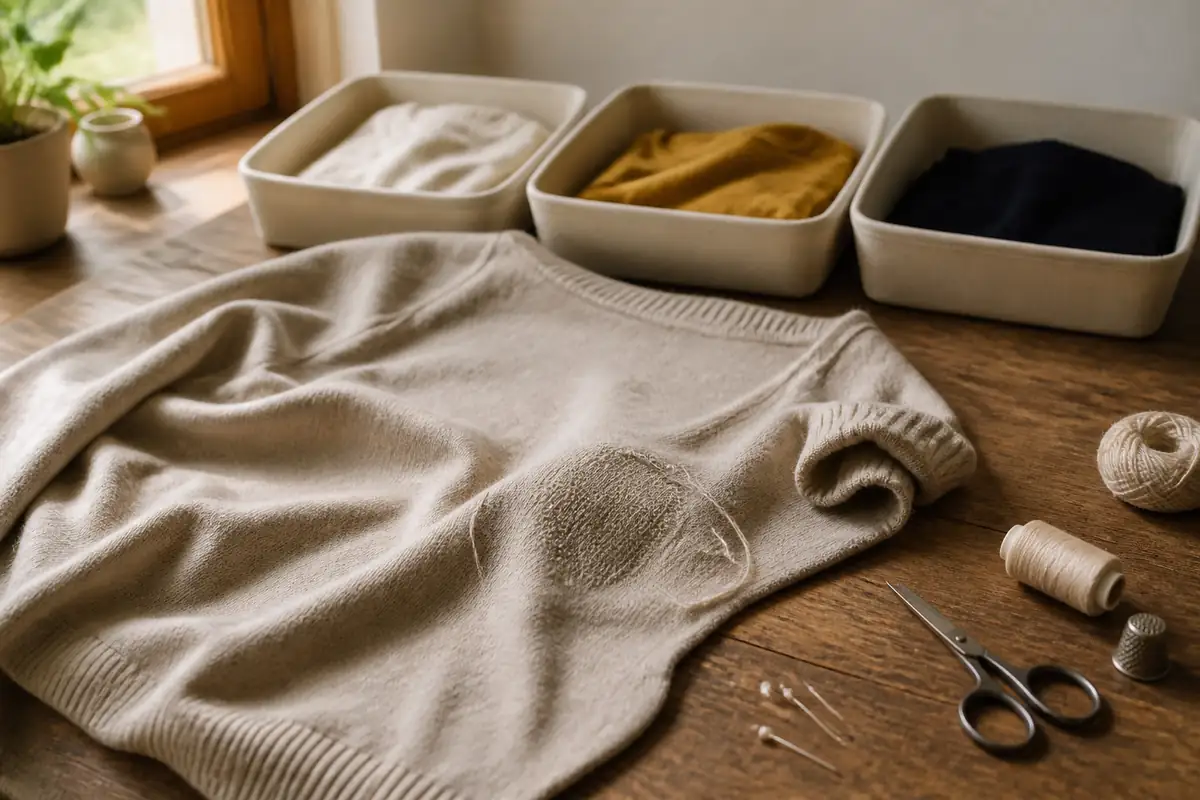
A low cost per wear cannot make an uncomfortable, unsafe or unusable garment valuable. When clothing stops serving its role, diagnose the barrier: fit, damage, care, coordination, season or life change. Then choose the least wasteful action that produces a reliable next use.
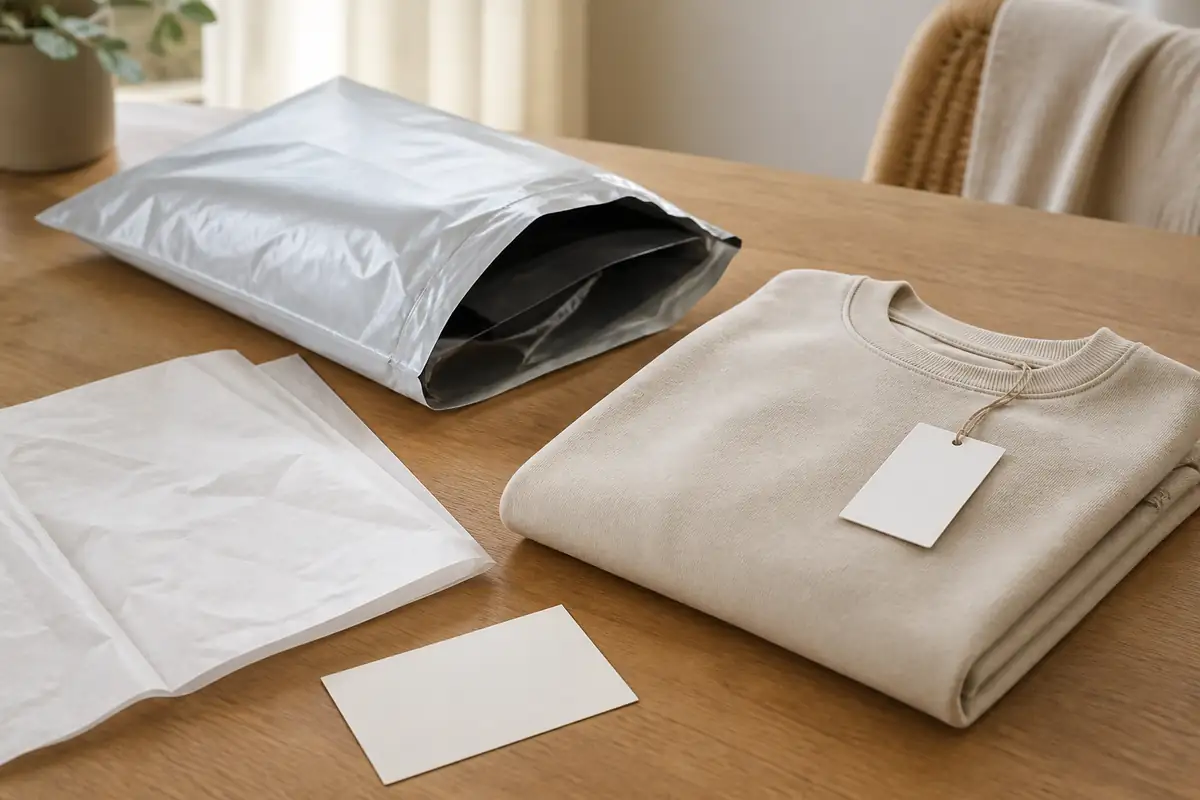
A clothing return depends on why it is going back, how it was bought, who sold it and what happened after delivery. Separate an online change of mind from a fault or misdescription, then check whether a genuine hygiene seal, personalisation or excessive handling affects the route.
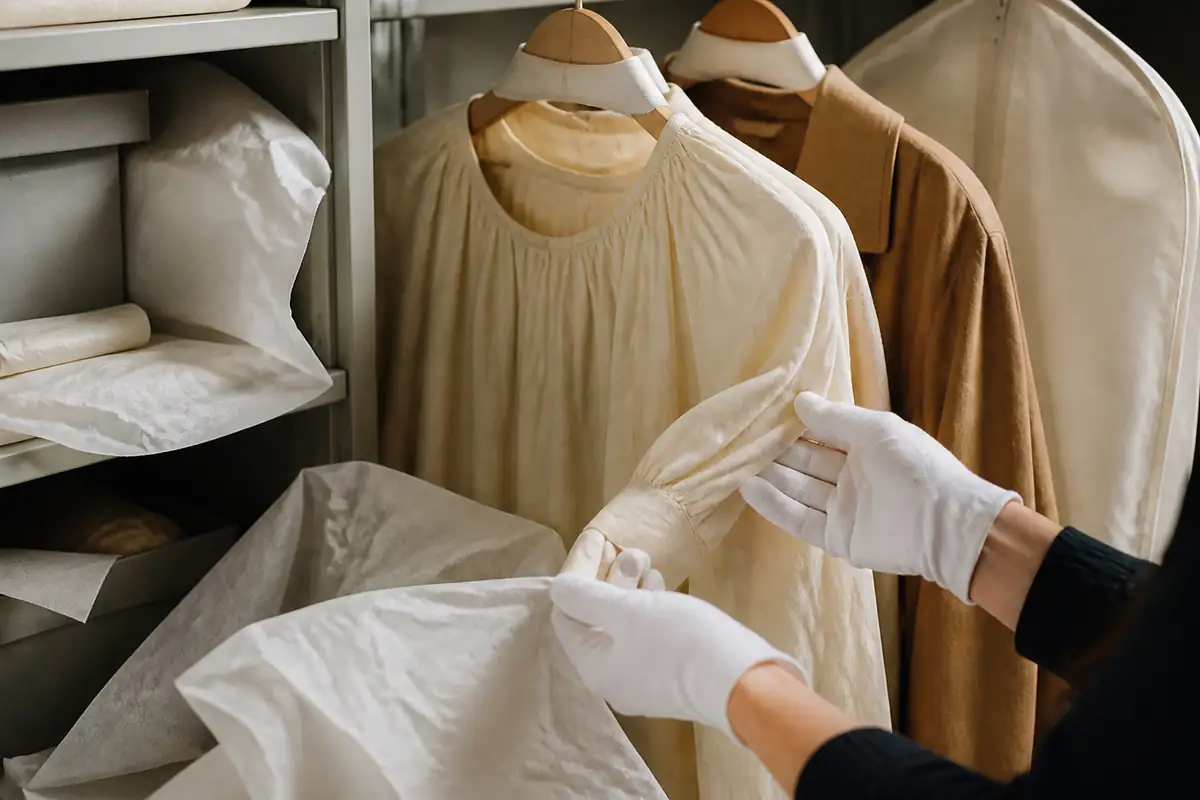
“Deadstock”, “new old stock” and “archive” can describe unsold or older fashion, but they do not guarantee unused condition, original storage or modern sizing. Judge the exact item as aged material: identify the period, request current photographs and measurements, map storage risks and price any cleaning or repair.
Petite, tall and curve are retailer-defined fit systems, not universal body types or standardised promises. A useful range adjusts the garment’s proportions as well as its label, but the only reliable comparison is the exact product’s body and garment measurements, cut, fabric and return conditions.
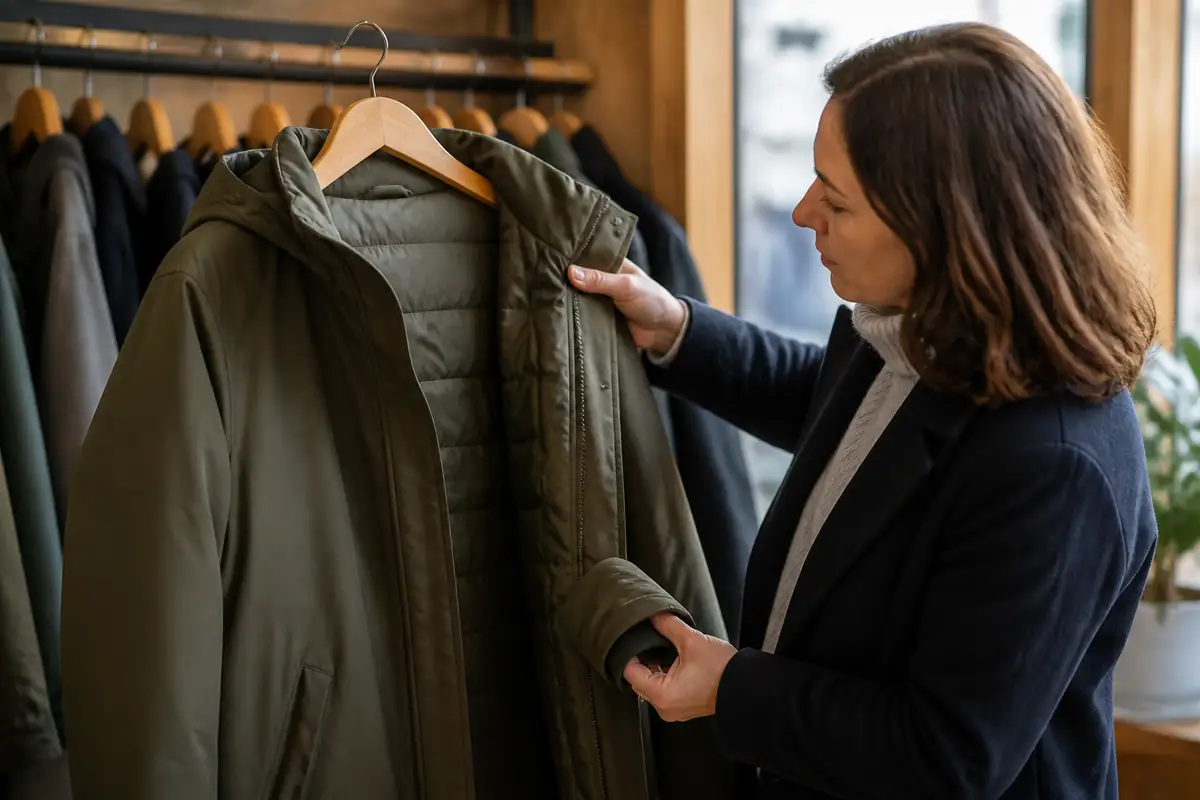
A useful winter coat manages wind, rain, insulation, movement and moisture for a defined routine. Compare the whole system — shell, fill, lining, hood, closure, length and layering room — instead of trusting one fibre percentage or “warm” label.
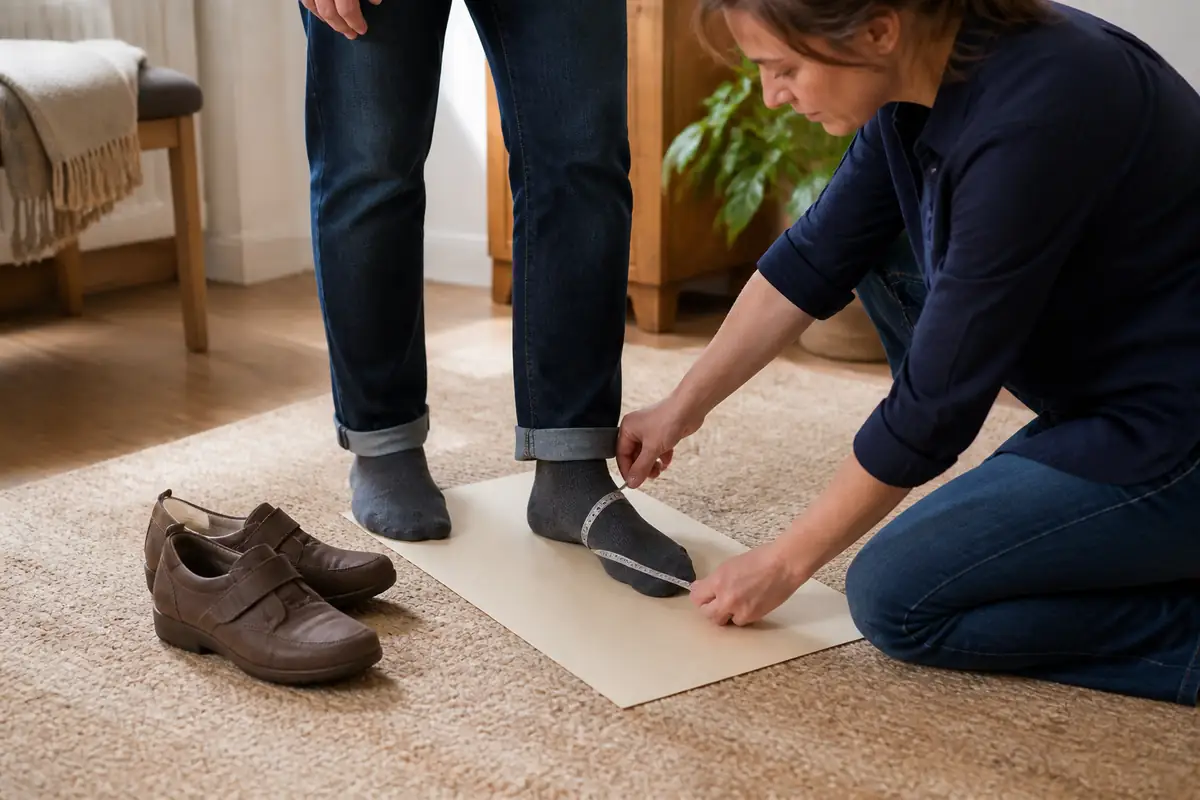
Measure both feet at the time and in the socks relevant to the shoe, then compare the numbers only with a chart using the same method. A home measurement narrows the shortlist; an indoor movement check decides whether the last actually fits.
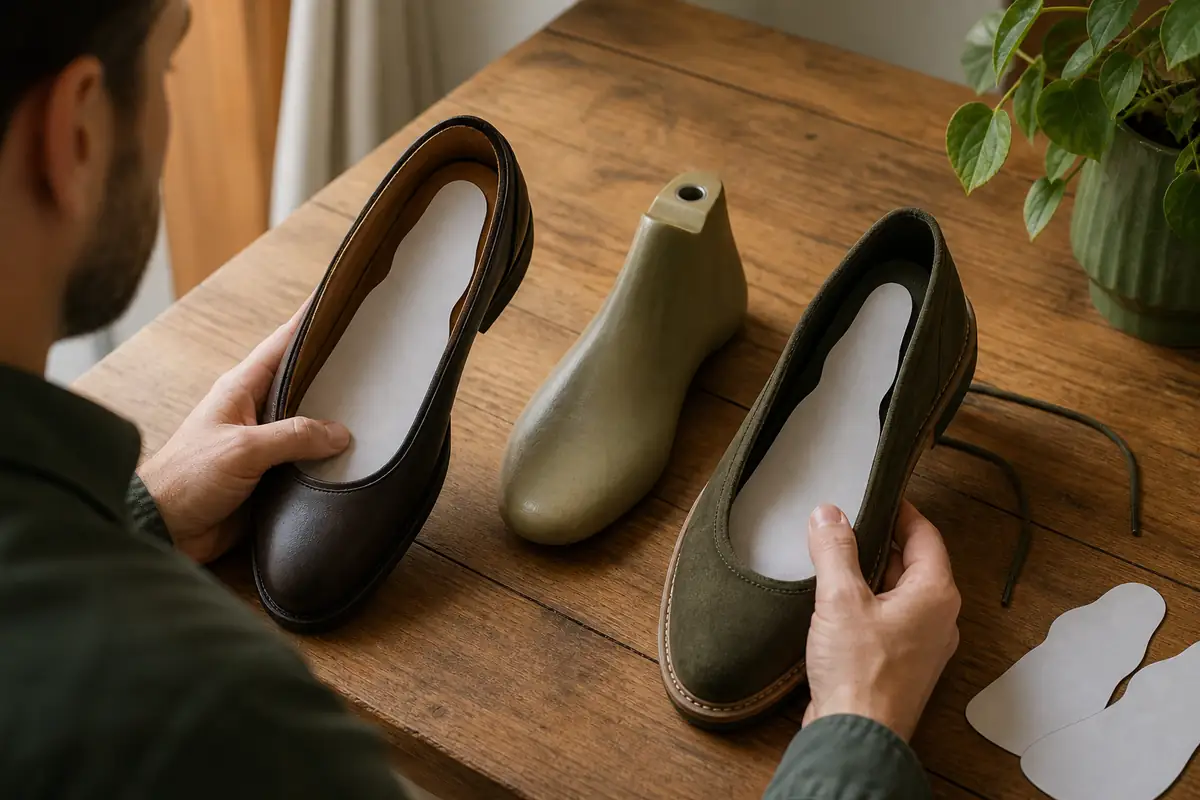
“Wide fit” is not a shared UK measurement. A width letter, toe-box outline, last volume, upper material and fastening all affect usable space, so compare the brand’s own system and the exact style rather than translating one label blindly.
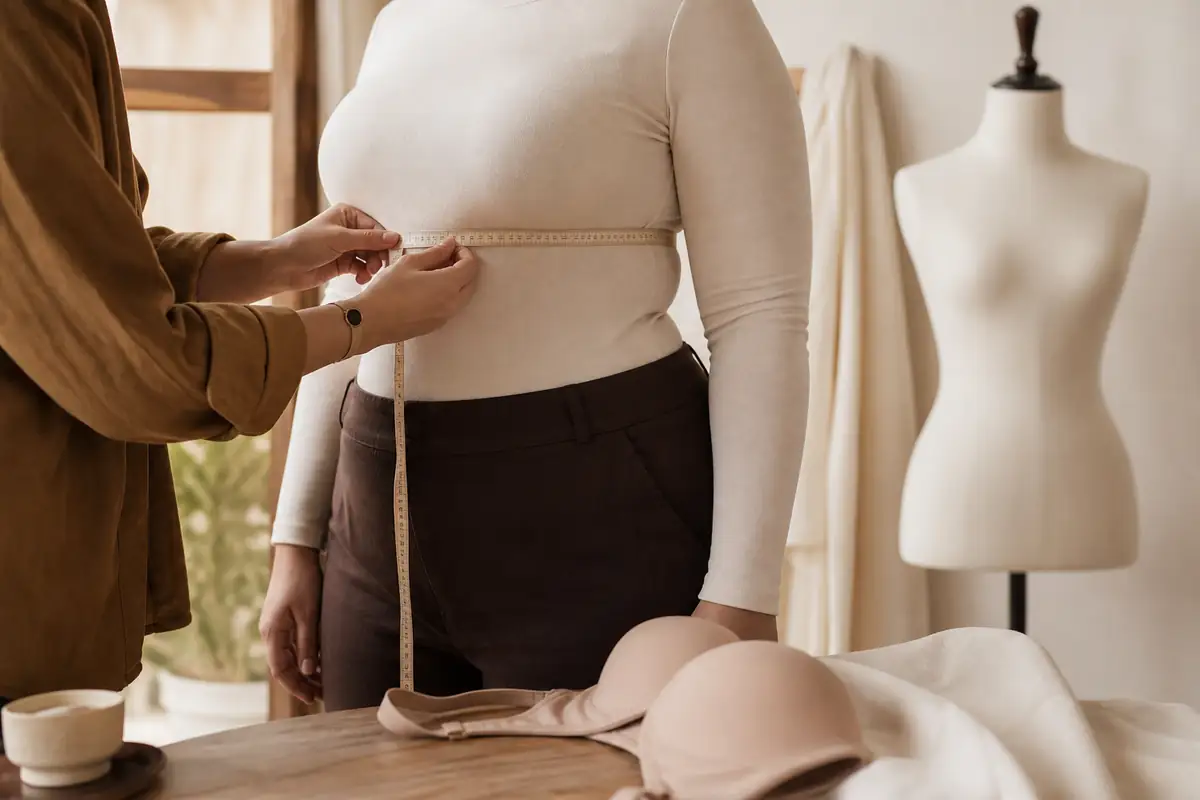
Underbust and bust measurements can build a starting shortlist, but they cannot capture breast shape, tissue distribution, wire width, cup depth or brand construction. Measure consistently, use the exact size chart and confirm the hygiene return policy before ordering.
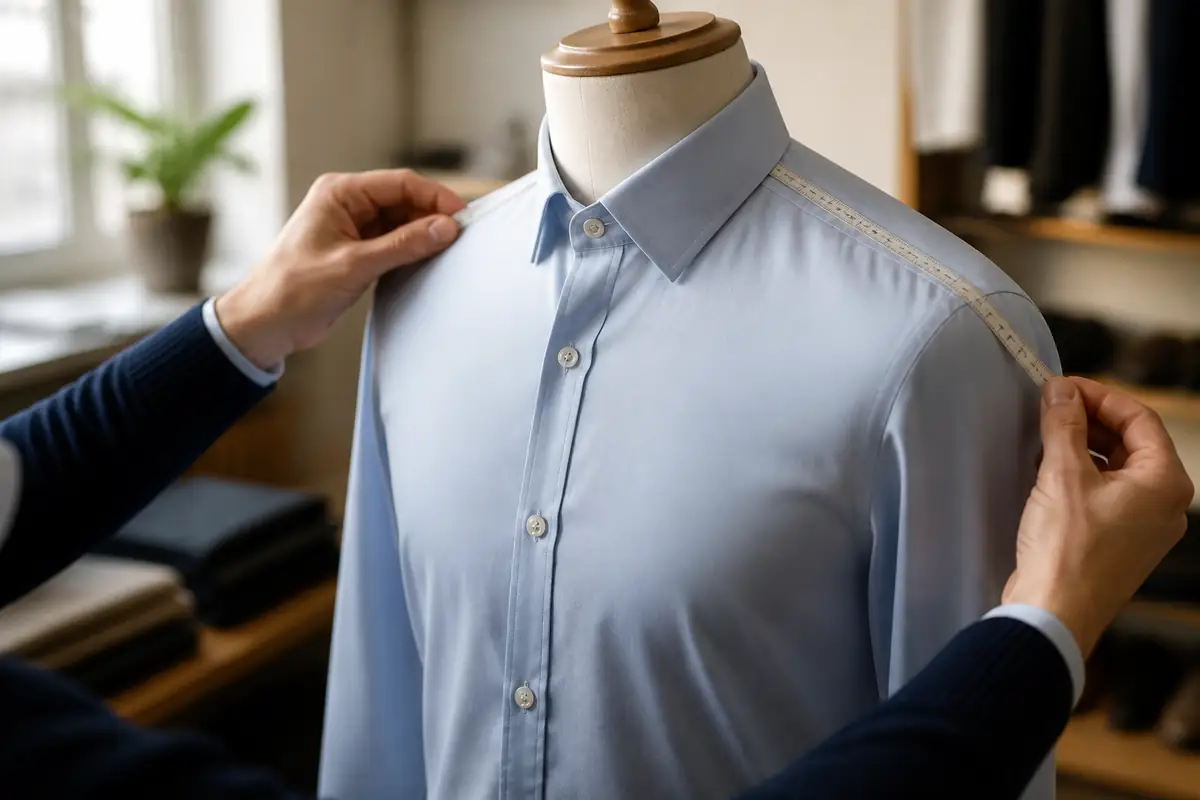
A shirt can match the neck label and still pull at the chest, drop beyond the shoulder or expose the wrist. Good fit comes from body measurements, garment dimensions, intended ease, posture, fabric and how the shirt will be tucked, layered and moved in.
ASOS is the broader multi-brand comparison environment; Boohoo is the more concentrated trend-led catalogue. Neither gives one uniform fit or quality level. Choose by the exact brand, garment evidence, delivery need and return economics rather than app familiarity or headline discount.
We use Google Analytics only with your permission to understand which guides are useful. Advertising storage and personalisation stay disabled. You can accept or reject analytics and change your choice later.

 RESEARCH-LED GUIDE121