Assess clothing beyond the product photograph
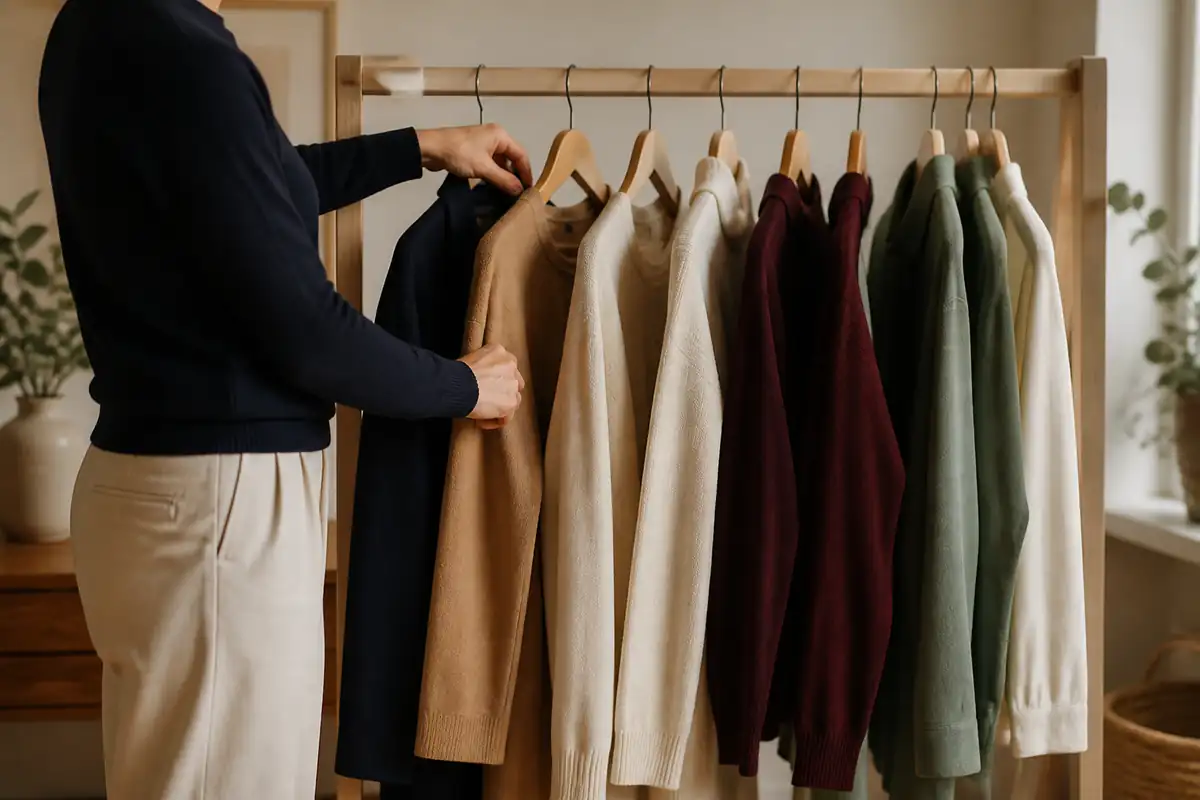
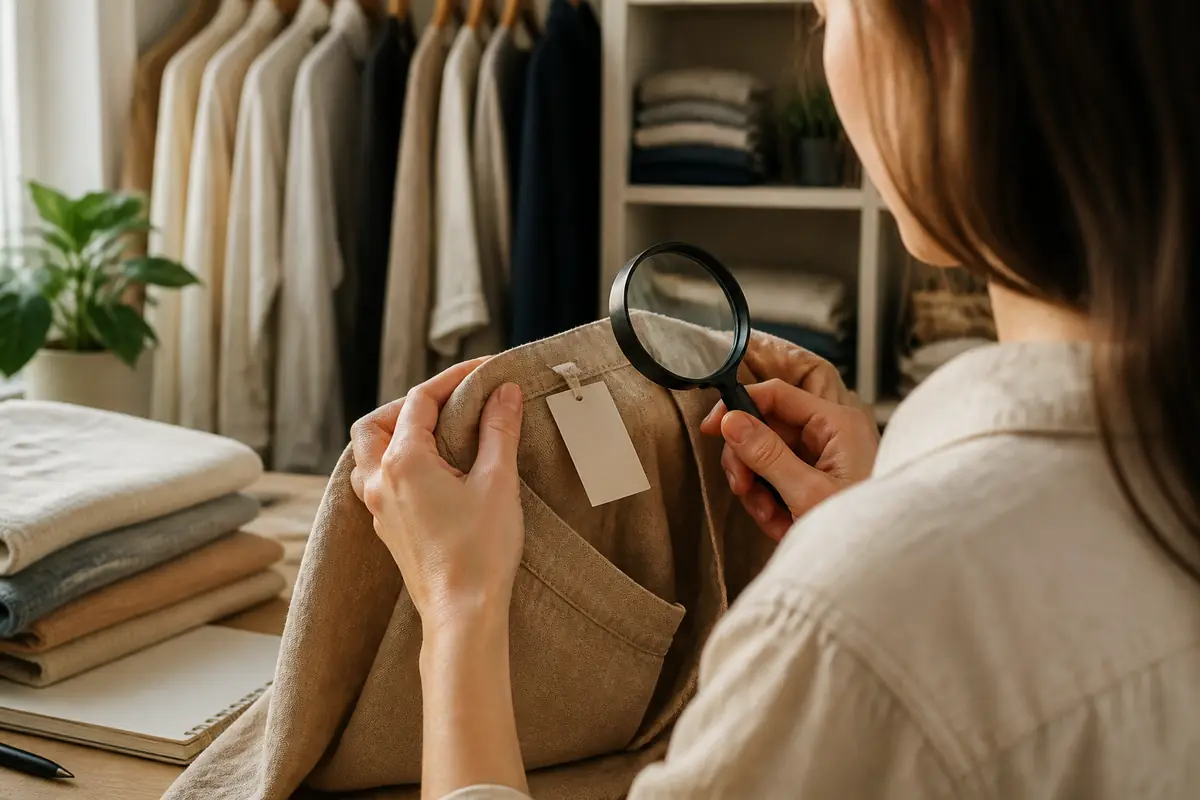
Start with the fibre composition, fabric structure, weight where stated, lining, seam construction, fastenings and care instructions. Two garments with the same fibre percentages can behave differently because yarn, weave, knit and finishing also matter. Zoomed photographs can reveal pattern matching, puckered seams and hardware, while customer images may show how the fabric hangs away from studio lighting.
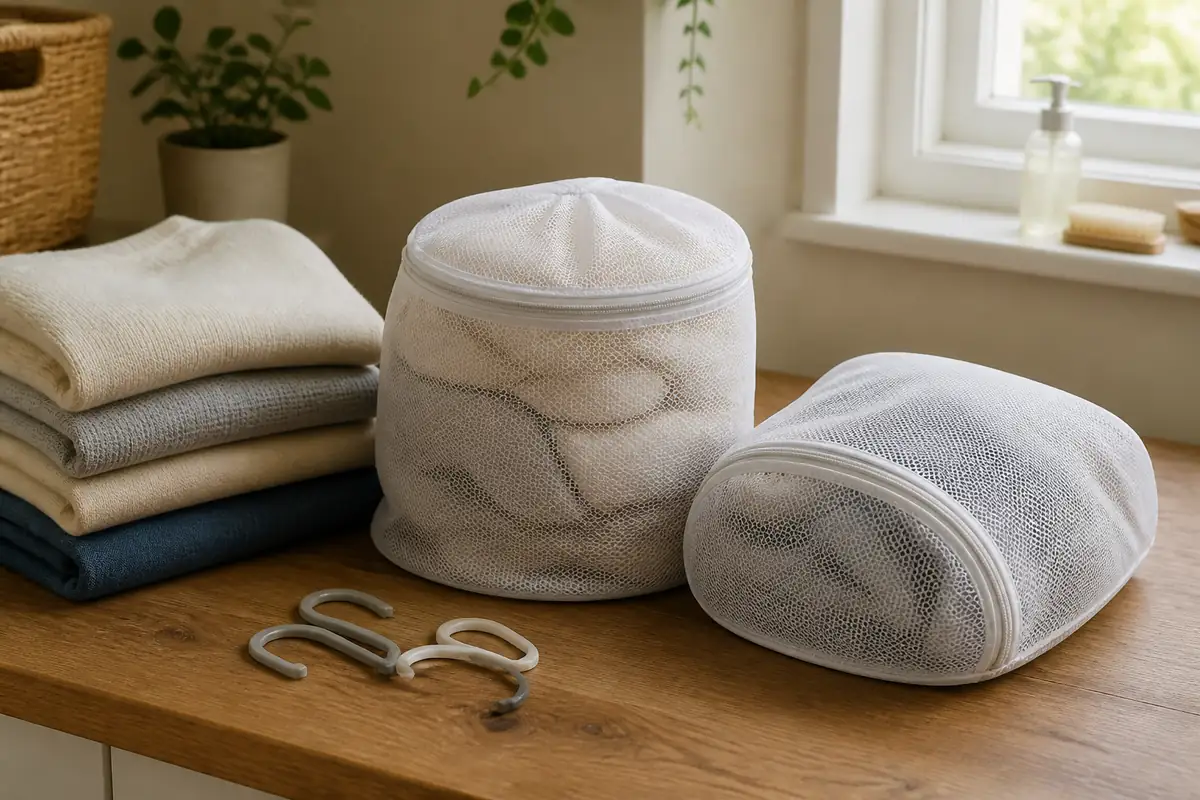
Our guides to fabric composition labels and judging clothing quality online explain what can and cannot be inferred before the garment is handled. Check whether the required cleaning and ironing fit your routine: demanding care can turn an attractive purchase into something rarely worn.
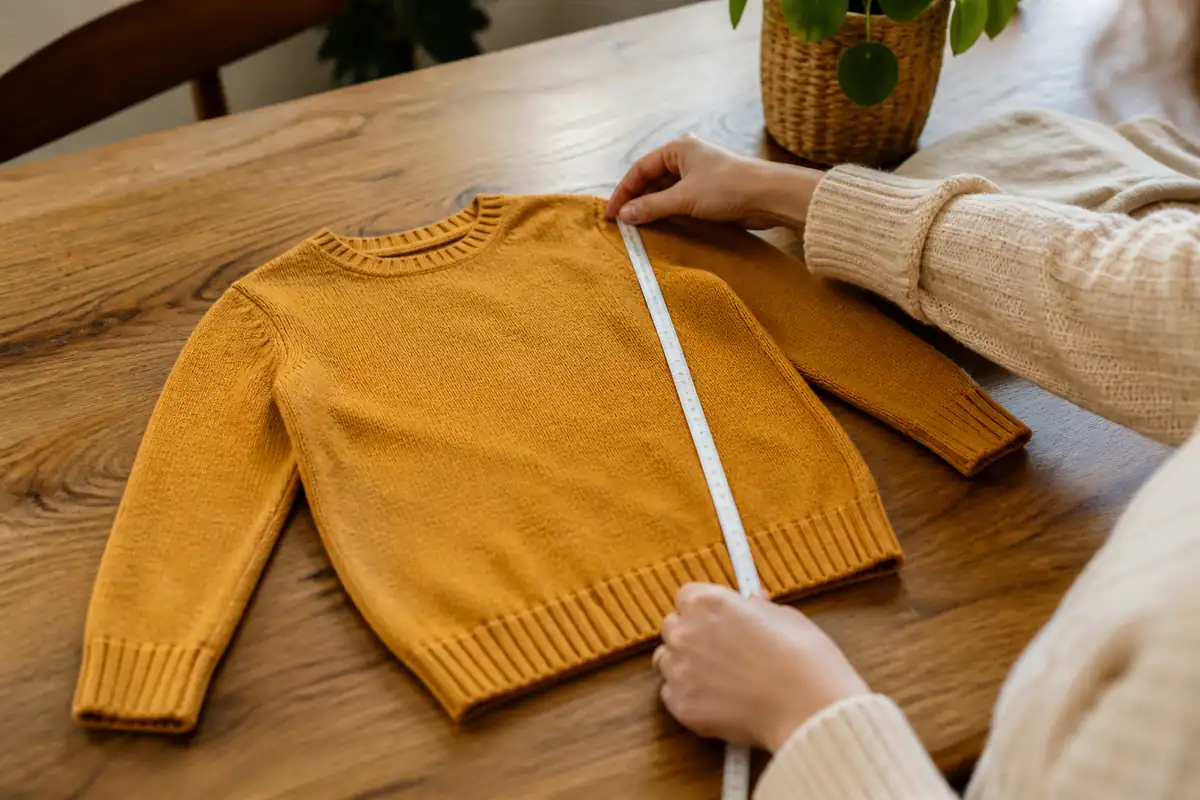
Use measurements rather than relying on a familiar size
Letter and number sizes vary by retailer, country, product type and even cut within the same range. Compare your body or a well-fitting garment with the measurements supplied for the specific item. Note whether the chart refers to body measurements or finished garment dimensions, and allow for the stretch and intended silhouette of the fabric.
Our guide to UK clothing size charts and fit provides a practical measuring process. Before ordering multiple sizes, check the retailer’s returns period, return postage and rules for packaging, tags, cosmetics, underwear or personalised items.
Calculate value through wear, care and repair
Cost per wear is useful when it is based on realistic use rather than an imagined future wardrobe. A versatile item that fits well and survives regular care can offer better value than a heavily discounted piece worn once. Inspect whether buttons, zips, soles, straps or linings can be repaired and whether the finish is likely to suit the conditions in which the item will be used.
Read our cost-per-wear guide alongside the guide to care label symbols. For leather goods, broad labels can hide major differences in structure and finish, so our leather grades guide explains what terms such as full-grain, top-grain and bonded leather actually communicate.
A clothing and accessories checklist
- Fit: compare garment or body measurements, intended cut, fabric stretch and reviews from people with similar proportions.
- Material: read the full composition for shell, lining, padding and trims rather than relying on the product name.
- Construction: inspect seams, hems, fastenings, pattern alignment, reinforcement and areas likely to carry weight.
- Care: decide whether washing, drying, ironing, polishing or specialist cleaning fits the time and budget available.
- Use: identify realistic outfits, occasions and weather conditions instead of buying for a vague future.
- Aftercare: check repair options, spare buttons, resoling, alterations, warranty and the retailer’s return rules.
Quality should be judged relative to purpose. A lightweight travel garment and a hard-wearing work garment need different fabrics and construction. A delicate material is not necessarily poor quality when its limitations are clearly explained, but it is poor value for someone who needs frequent machine washing and abrasion resistance.
Understanding sustainability and fashion claims
Terms such as conscious, responsible, eco collection and vegan describe different ideas and may not define a measurable standard. Look for the material or process covered, percentage of the product included, certification owner and whether the claim addresses durability, labour, water, chemicals, emissions or only packaging. Our guide to sustainable fashion claims helps distinguish a specific improvement from a broad halo.
Durability and use matter alongside production claims. A garment worn regularly and cared for well can have a different practical impact from one bought because it carries a green label but rarely leaves the wardrobe. Buying less, choosing suitable items, repairing and using existing clothes longer are often more dependable actions than chasing a perfect material.
Alterations, repair, resale and returns
A garment that is close to right may become excellent with a straightforward alteration, but not every change is practical. Hem length, waist suppression and replacing buttons may be simple; changing shoulders, armholes or complex linings can cost more than the item. Consider alteration cost before removing labels or passing the return window.
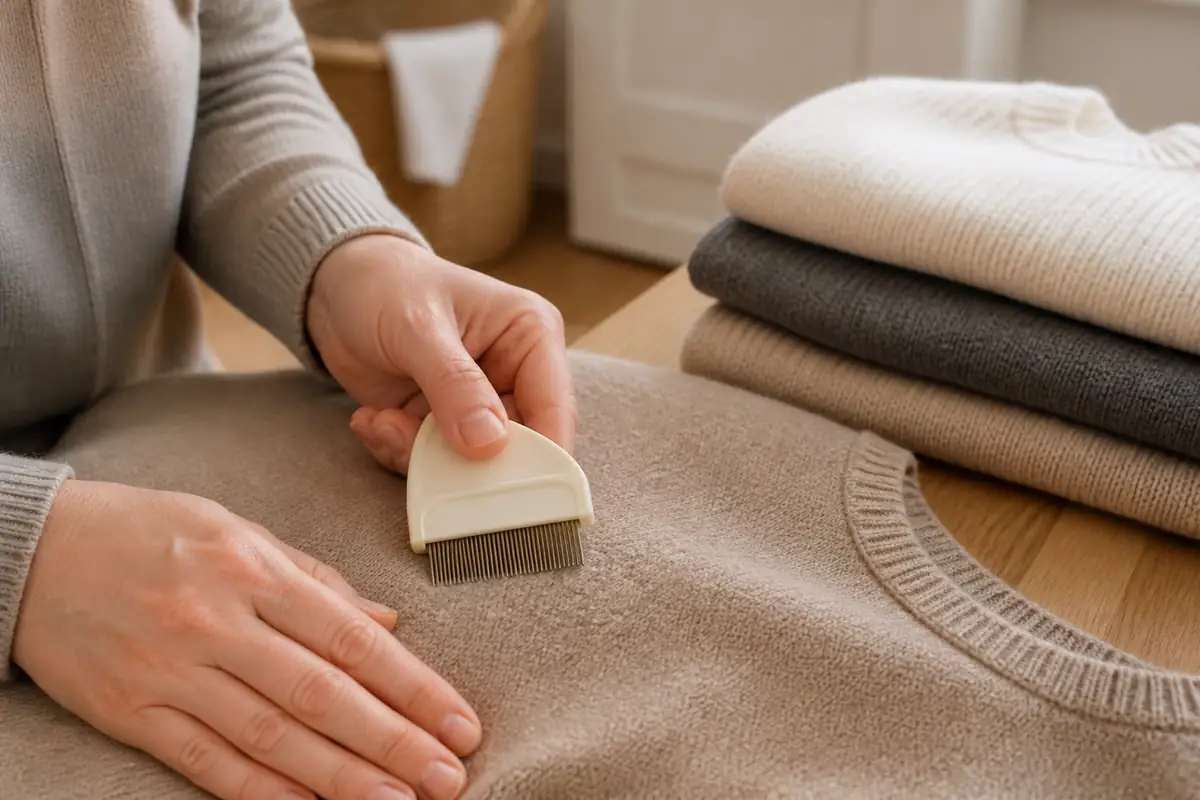
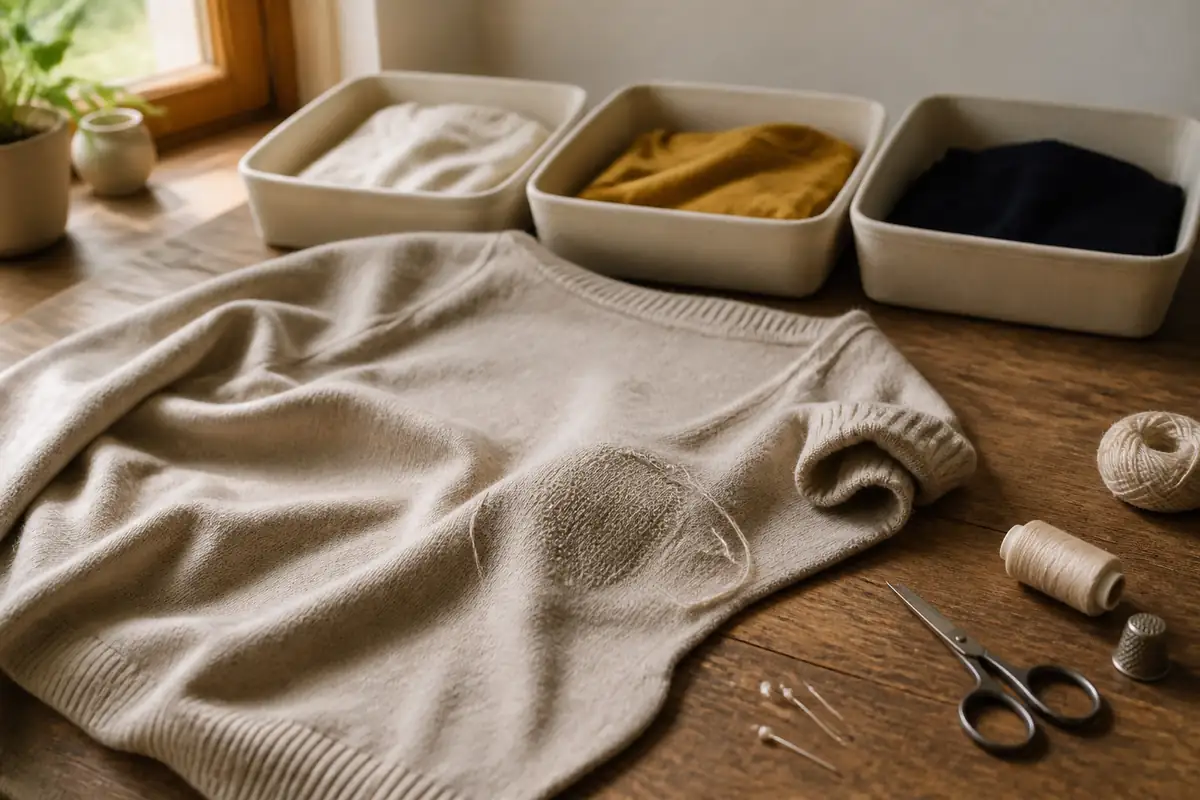
Repairability depends on both construction and access to suitable materials. Welted footwear, replaceable zips, generous seam allowances and standard hardware can support a longer life, but only when local repair is available at a sensible cost. Keep spare buttons and care information. Address small damage early, before a loose stitch or worn heel becomes a structural problem.
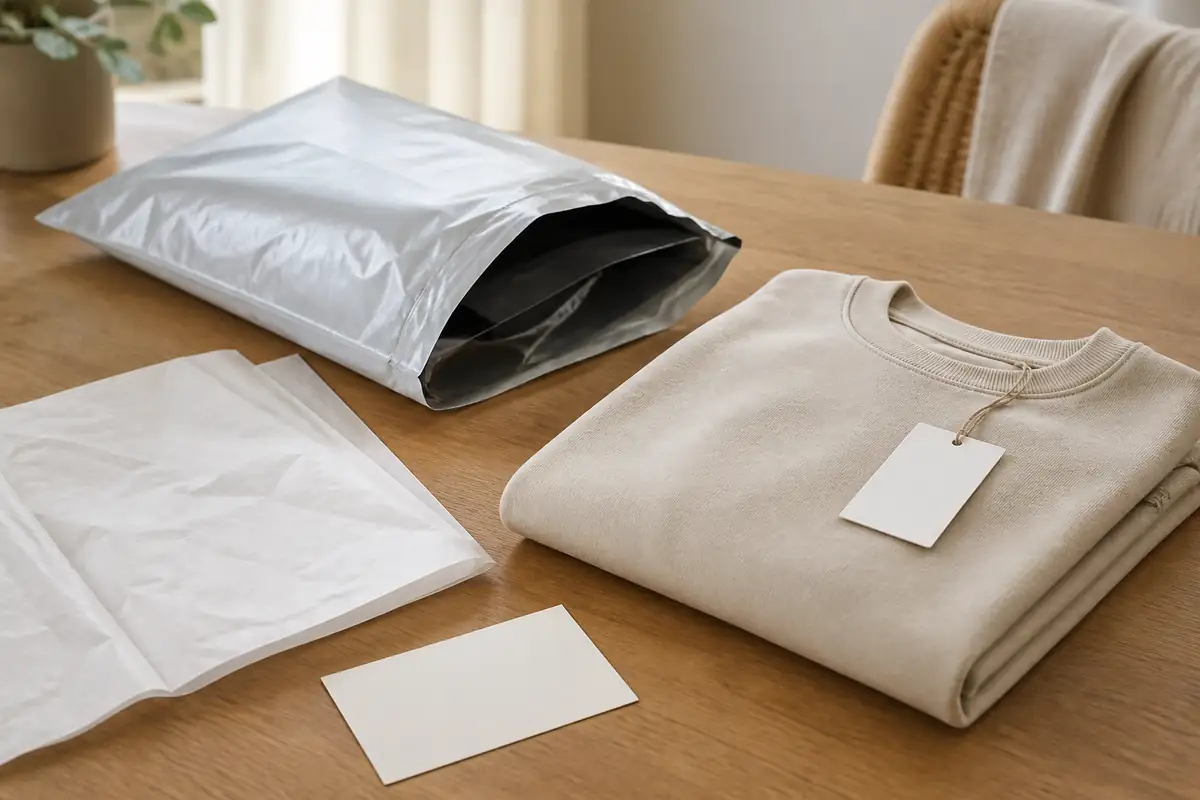
Resale value should be treated as a possible offset, not guaranteed money. Condition, demand, size, authentication and selling fees all matter. Photograph valuable items when new and retain receipts, dust bags or certificates where relevant. For gifts and online clothing, read return exclusions before purchase and protect packaging until fit and preference are confirmed.
Frequently asked fashion questions
Does a higher natural-fibre percentage mean better quality?
No. Fibre choice affects feel and performance, but yarn, fabric construction, finishing, seams and suitability matter too. Blends can be useful when each fibre serves a clear purpose.
Can online clothing quality be judged reliably?
Not completely, but detailed photographs, composition, measurements, care instructions, construction information and consistent owner feedback can reduce uncertainty. A fair returns process remains important.
Is cost per wear useful for occasion clothing?
Yes, if expectations are realistic. Include alterations, cleaning, accessories and resale or reuse, but do not invent dozens of future occasions merely to justify the price.
 RESEARCH-LED GUIDE01