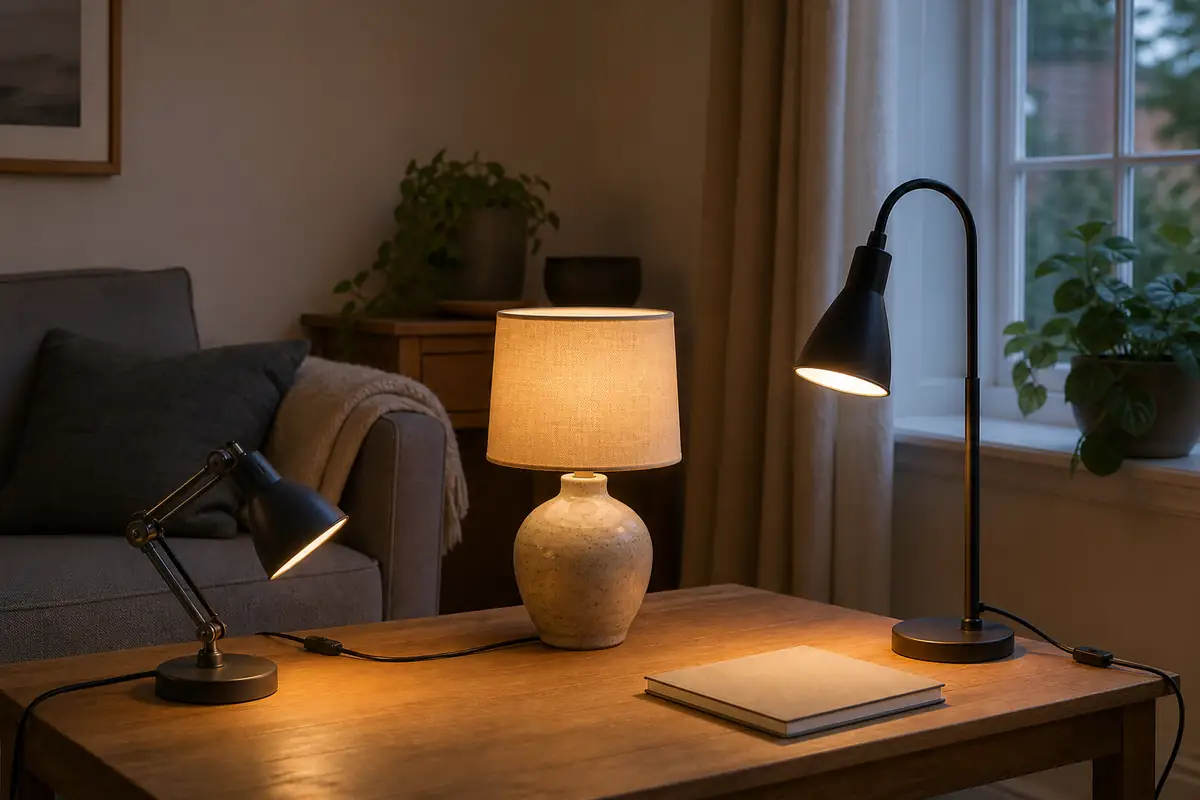
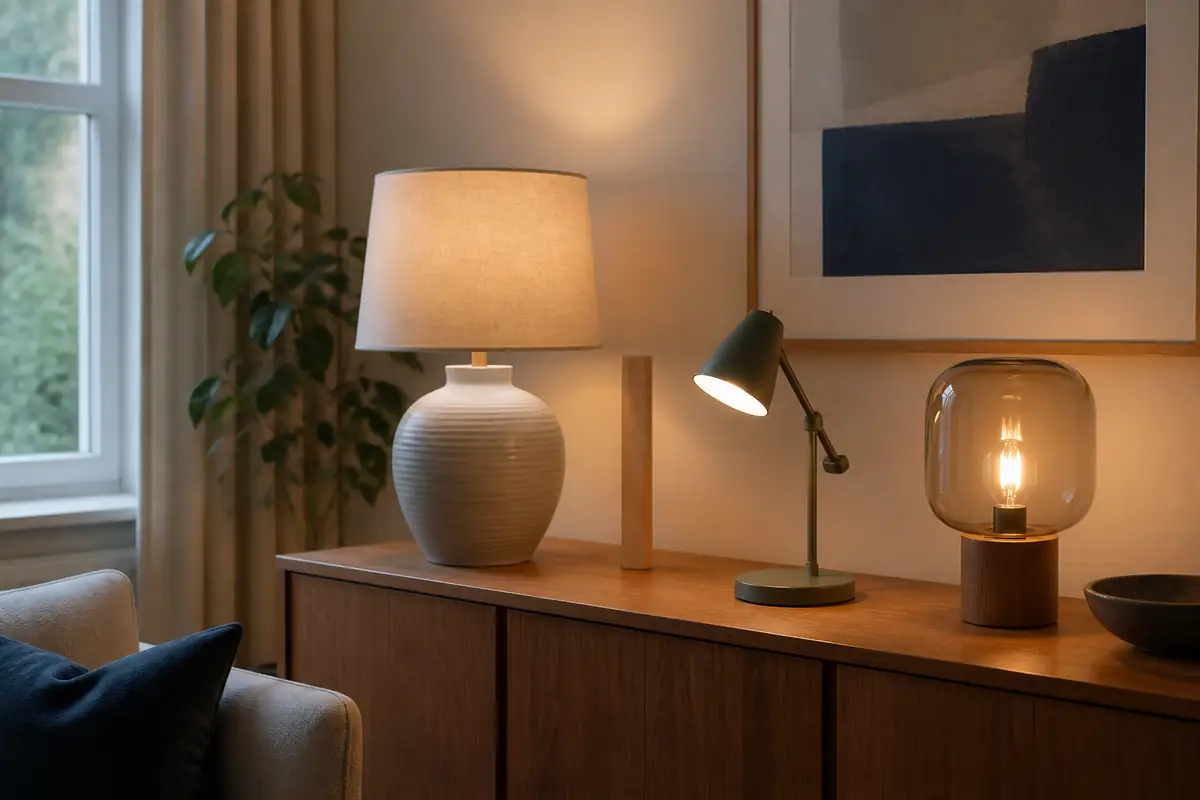
A table lamp must fit the surface, place light at the right height and remain stable with its cable and shade. Compare exact dimensions, socket or integrated light source, bulb limits, controls, materials, safety information and delivery risk.
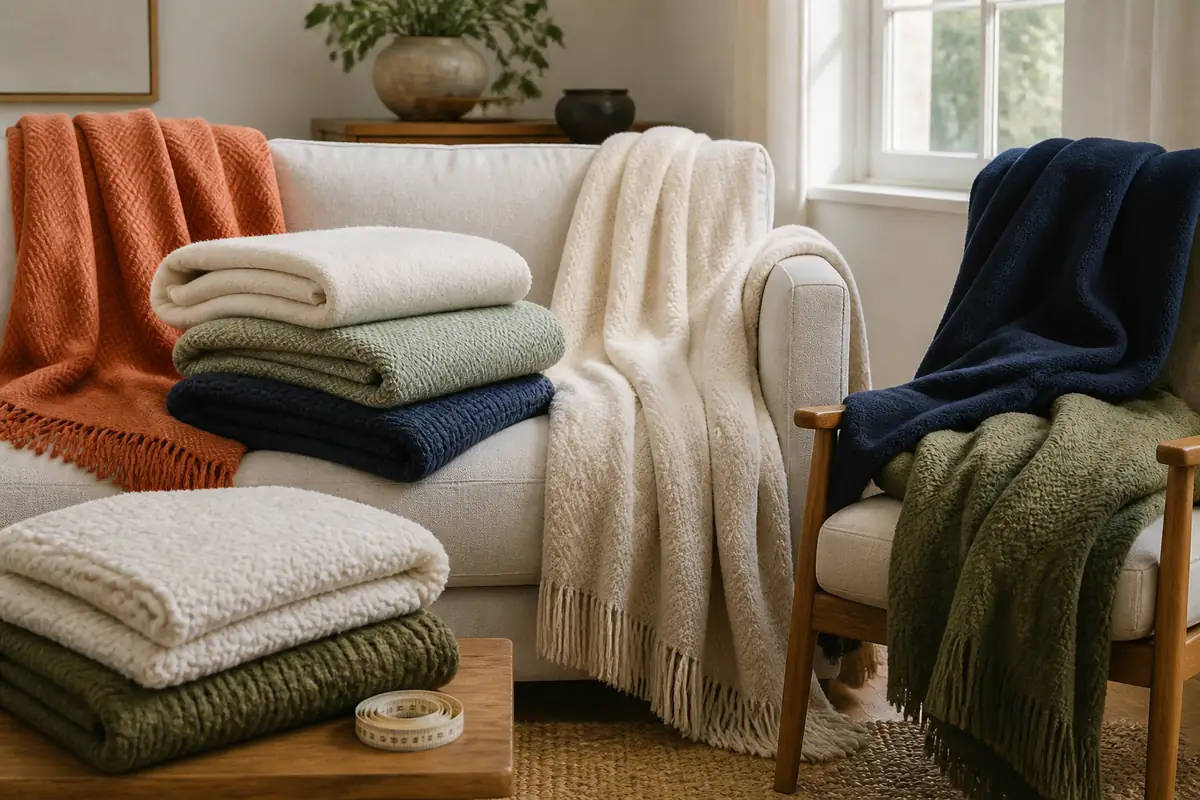
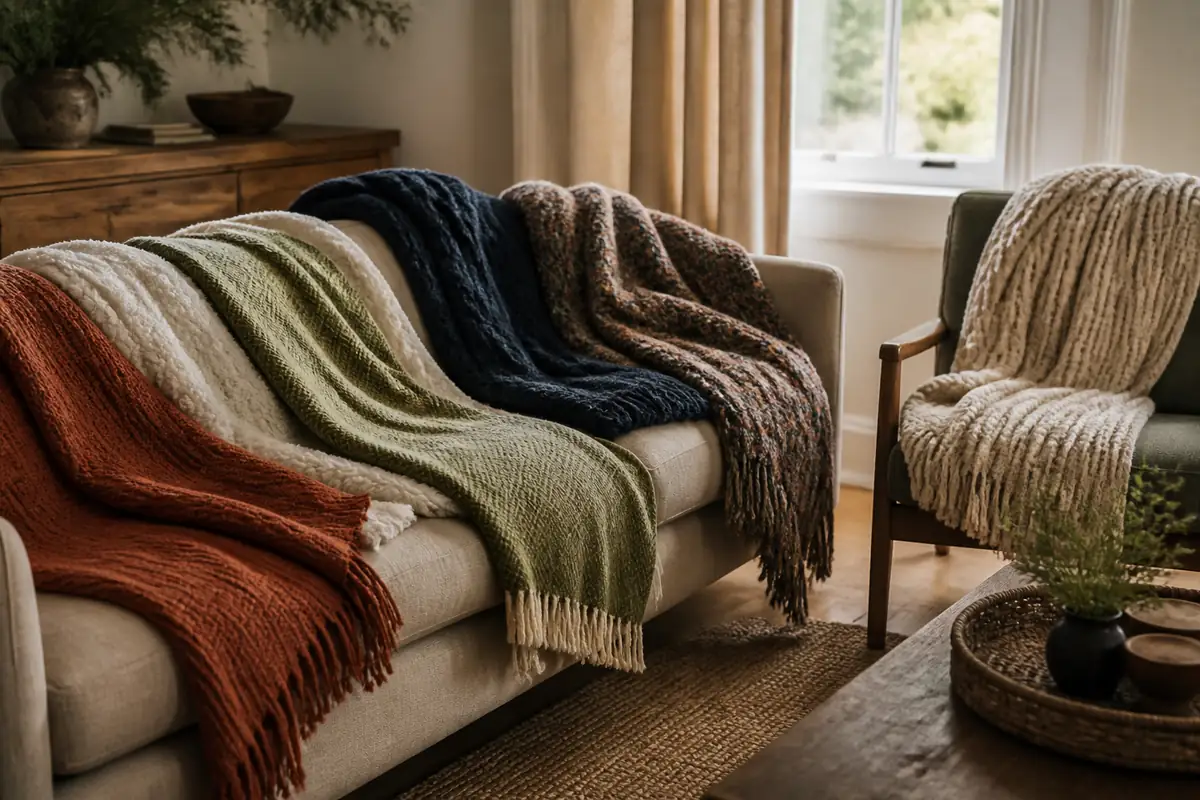
A throw should cover the body or furniture area intended without becoming too heavy, slippery or difficult to clean. Read exact fibre percentages, construction, dimensions and care before choosing colour or softness.
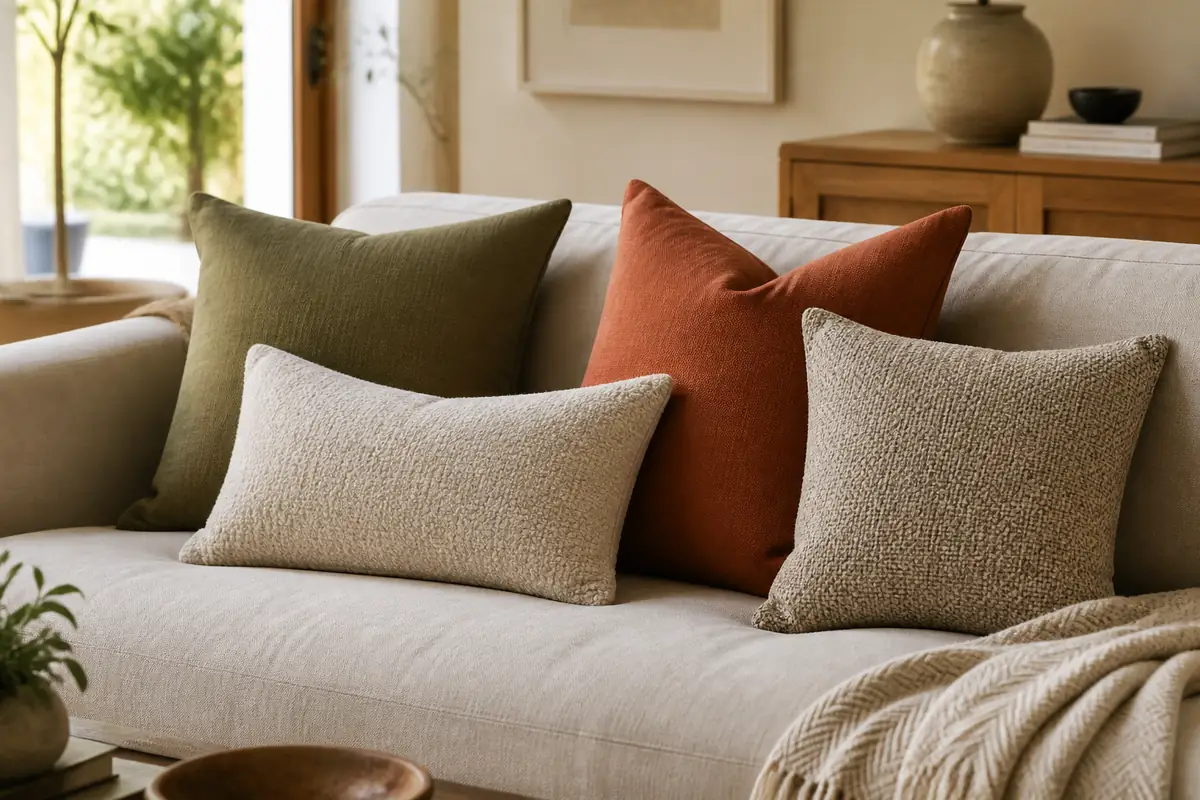
Cushions should support how a seat is used, fit its scale and introduce controlled colour or texture without covering the furniture. Start with comfort and dimensions, then decide filling, cover fabric and palette.
A table lamp must fit the surface, direct useful light, accept an appropriate source, remain stable and put its control and cable where you can reach them. Start with the task and measured location, then compare shade geometry, brightness, colour appearance, glare, replaceability and safety before choosing a decorative finish.
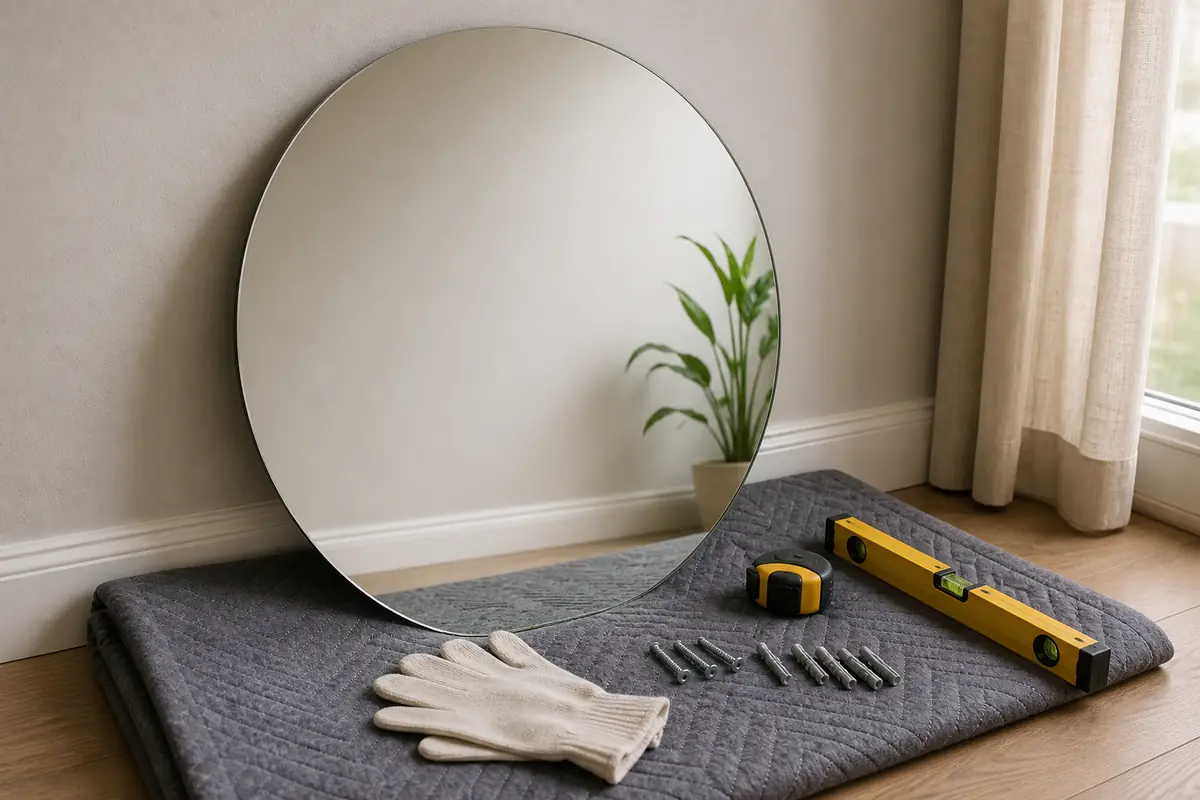
A wall mirror is glass, backing, frame, hanging hardware and wall substrate acting as one system. Clean with minimal controlled moisture, inspect movement or corrosion early and never lift a large mirror from decorative trim or a single hanging point.
Treat curtain face fabric, lining, heading, weights and hardware as one installation. Remove dry dust gently, follow the care label, control direct light where practical and stop using a track or pole that loosens, binds or pulls from its fixings.
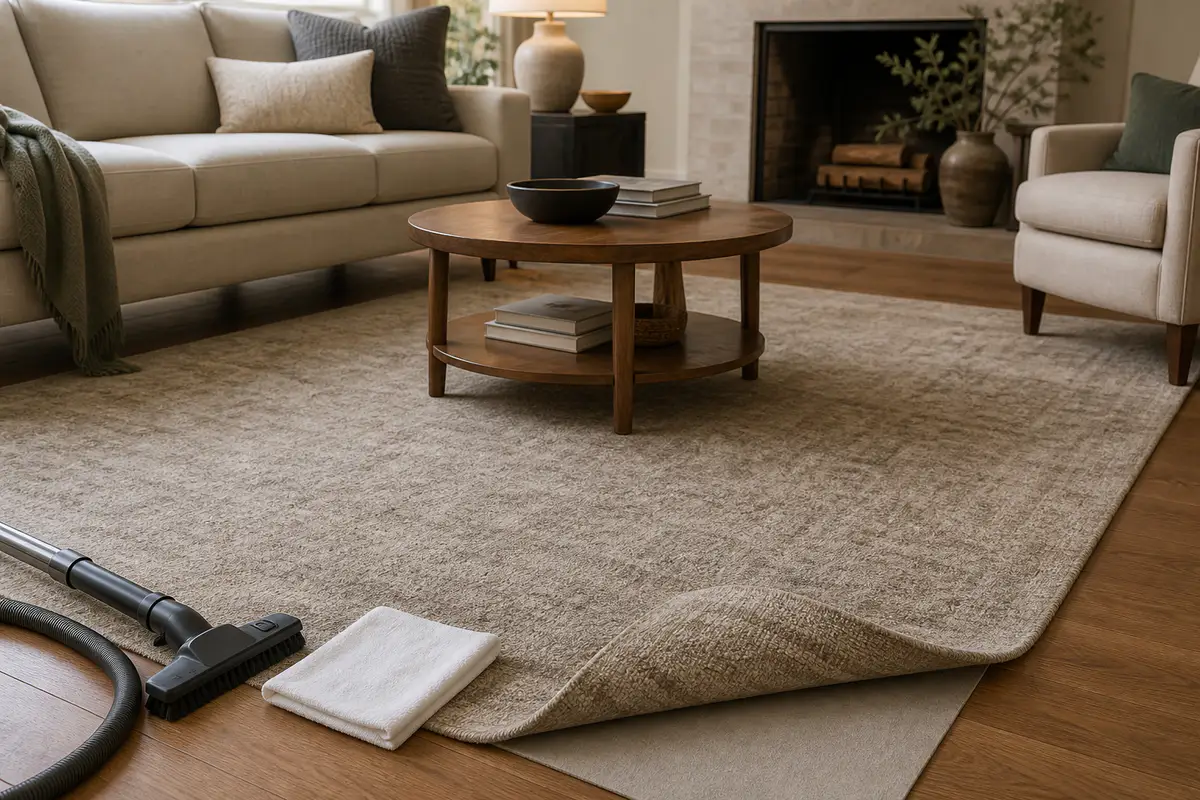
Treat the fibre, construction, dyes, floor and underlay as one system. Vacuum at a suitable setting, blot spills instead of flooding them, rotate only when wear and pile allow it, and check that every edge remains flat.
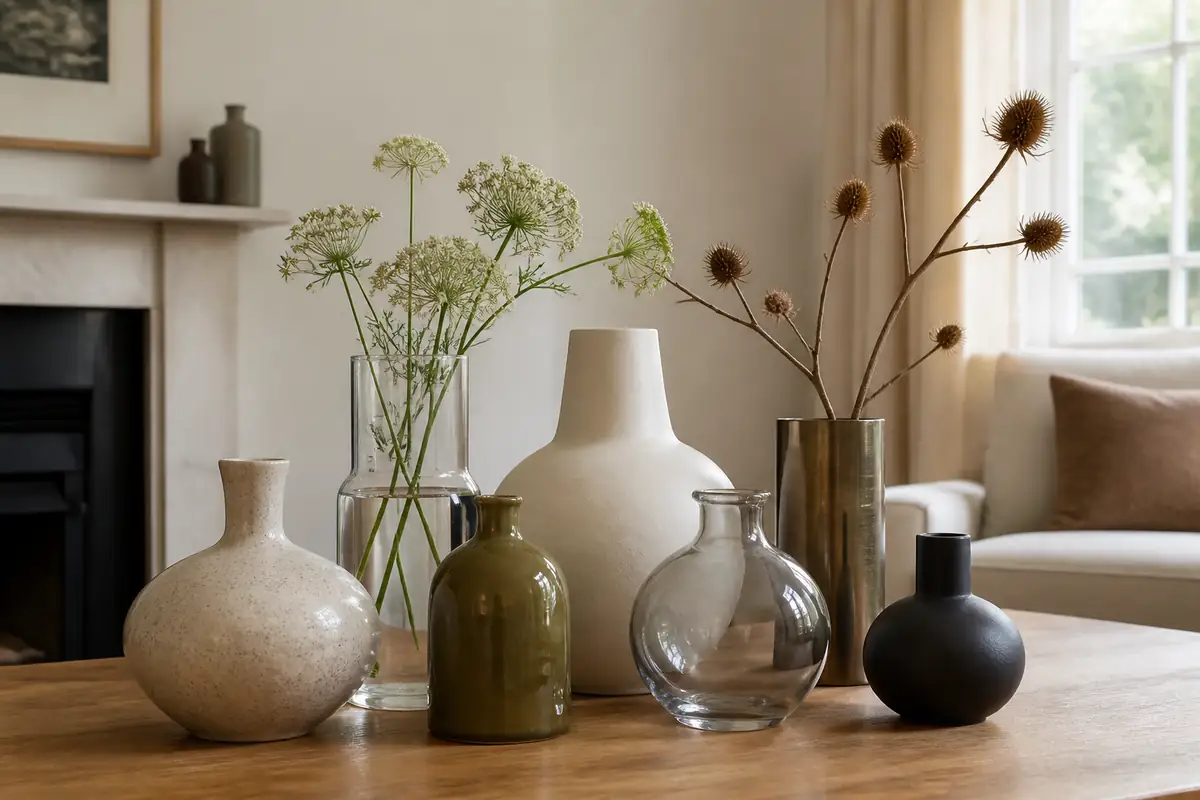
A vase is a container, a support structure and a visual object. The right choice depends on the stems or display it will hold, the opening and water volume, the surface beneath it and whether every internal area can be cleaned.
A throw can add warmth, protect upholstery or complete a room, but those jobs demand different dimensions and materials. Compare the fibre label, construction, care burden and usable size before colour or softness claims.
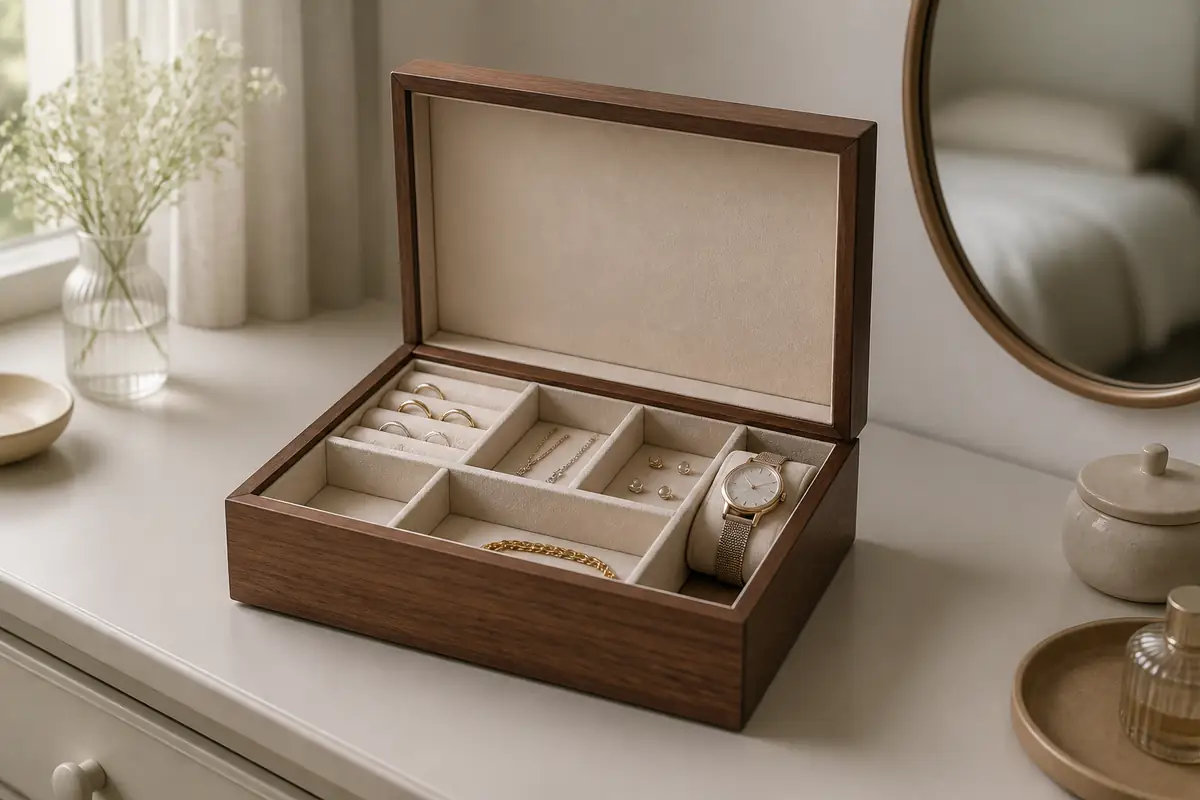
The best jewellery box is organised around the collection, not the furniture. Count rings, chains, earrings, watches and larger pieces, then choose separation, lining and closure that reduce tangles, abrasion, moisture and forgotten storage.
We use Google Analytics only with your permission to understand which guides are useful. Advertising storage and personalisation stay disabled. You can accept or reject analytics and change your choice later.

 RESEARCH-LED GUIDE21