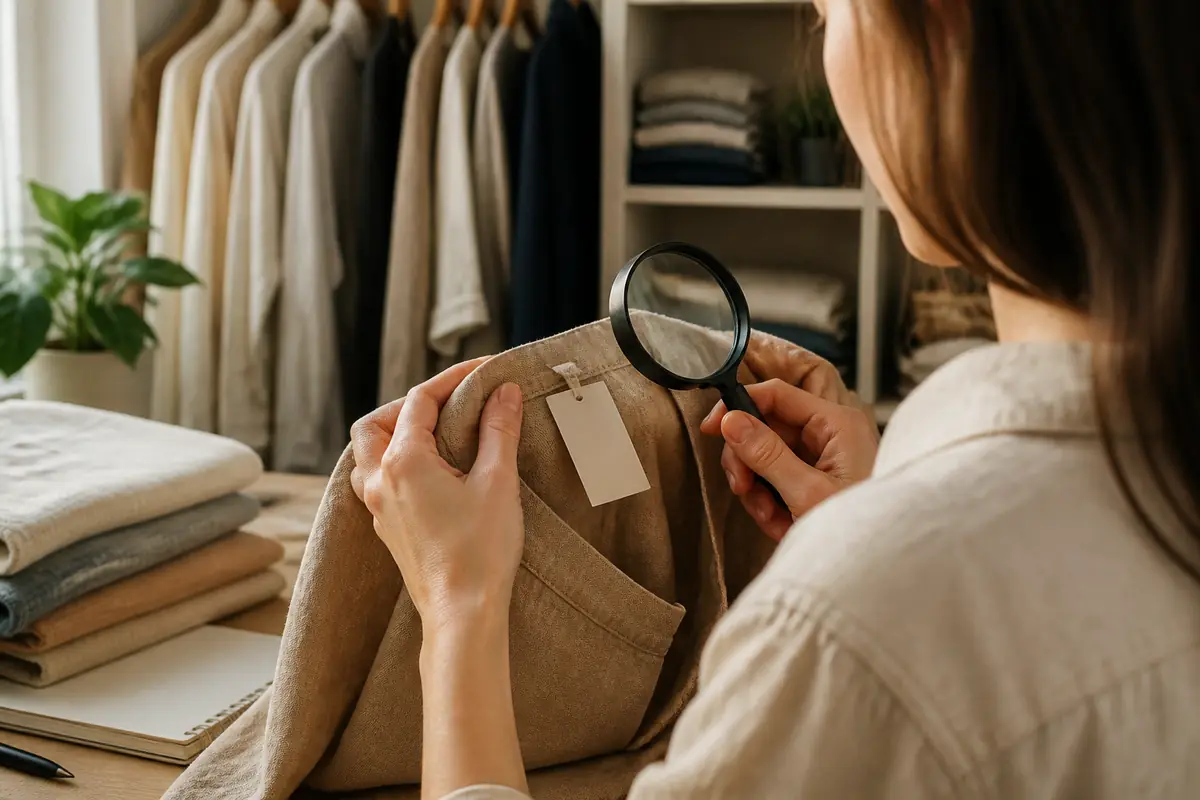
A platform badge, dust bag or confident seller is not proof that an item is genuine. Build a case from the listing, seller history, construction, provenance and payment route, then price the item for its actual condition and the protection available if it is not as described.
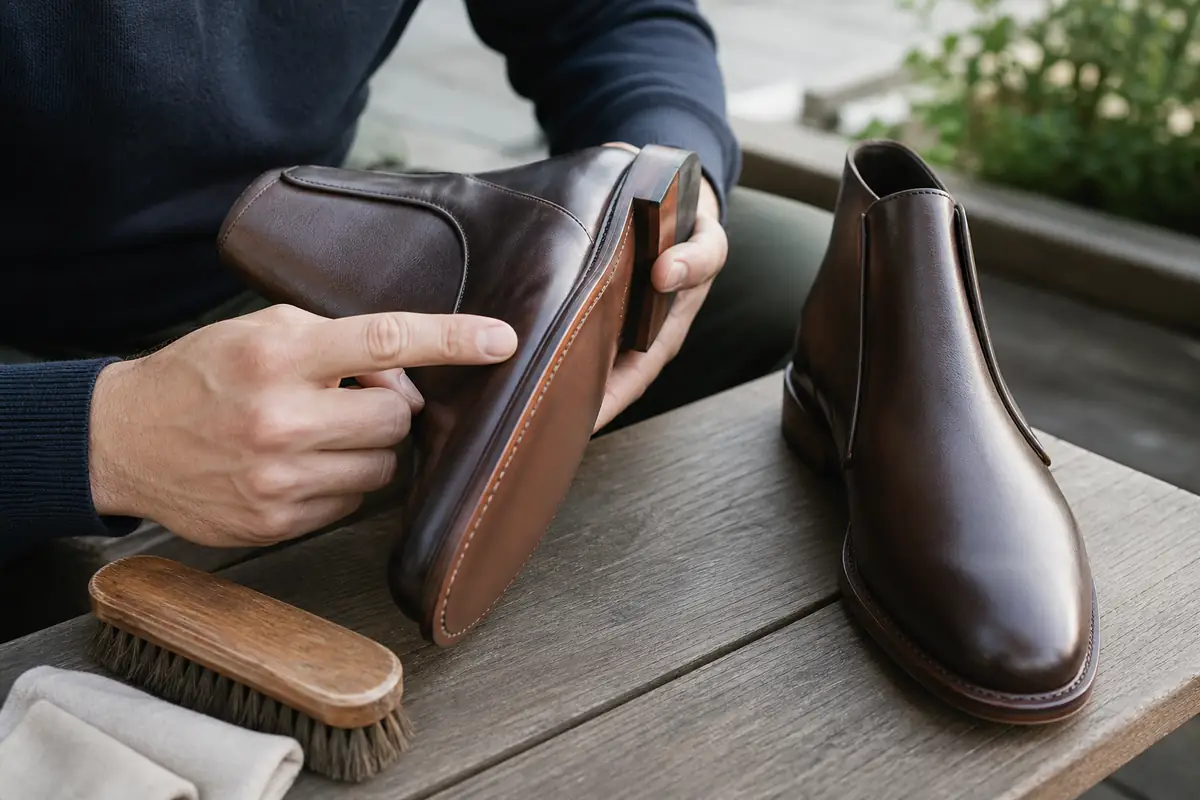
Leather on the product title does not describe the whole boot. Check the labelled upper, lining, sock and outer sole, then examine ankle volume, flex point, heel hold, tread and whether the construction can be maintained or resoled.
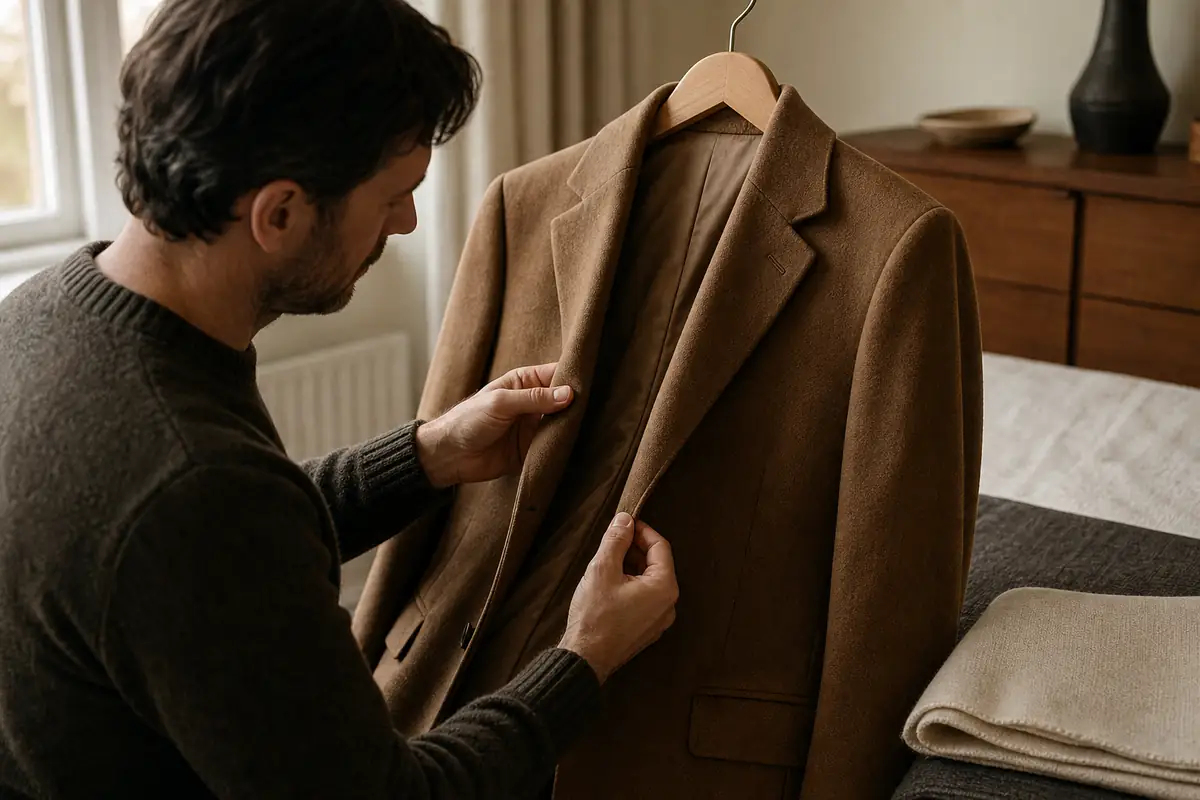
A high wool percentage can be useful, but it does not settle warmth, durability or fit. Compare the cloth, lining, seam work, closure and space for real winter layers before paying for a fibre headline.
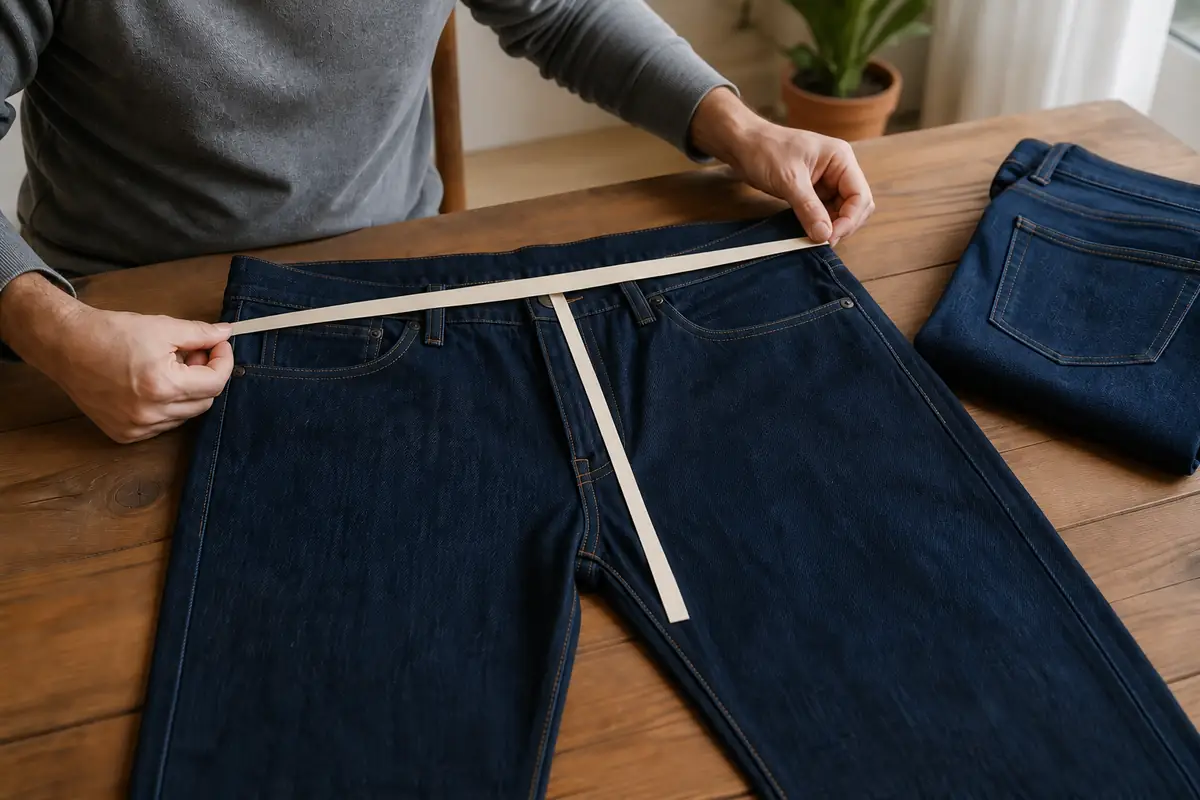
You have your reference measurements; now which listing deserves an order? This worksheet compares the strength of the evidence, the exact variant and the cost of being wrong, without turning an attractive product photograph into a fit prediction.
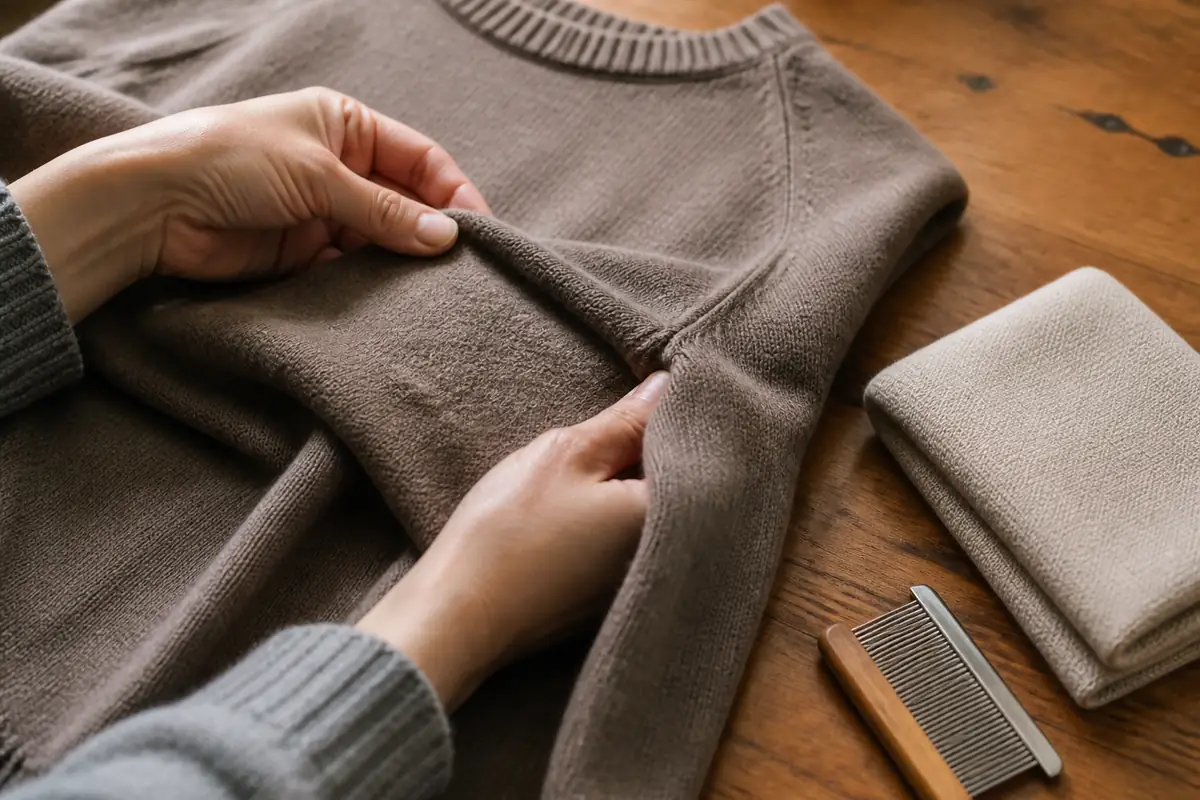
Merino on a label does not reveal yarn quality, knit density or construction. Inspect the whole garment, accept that some pilling can occur and buy only when the care routine and likely cost per wear make sense.
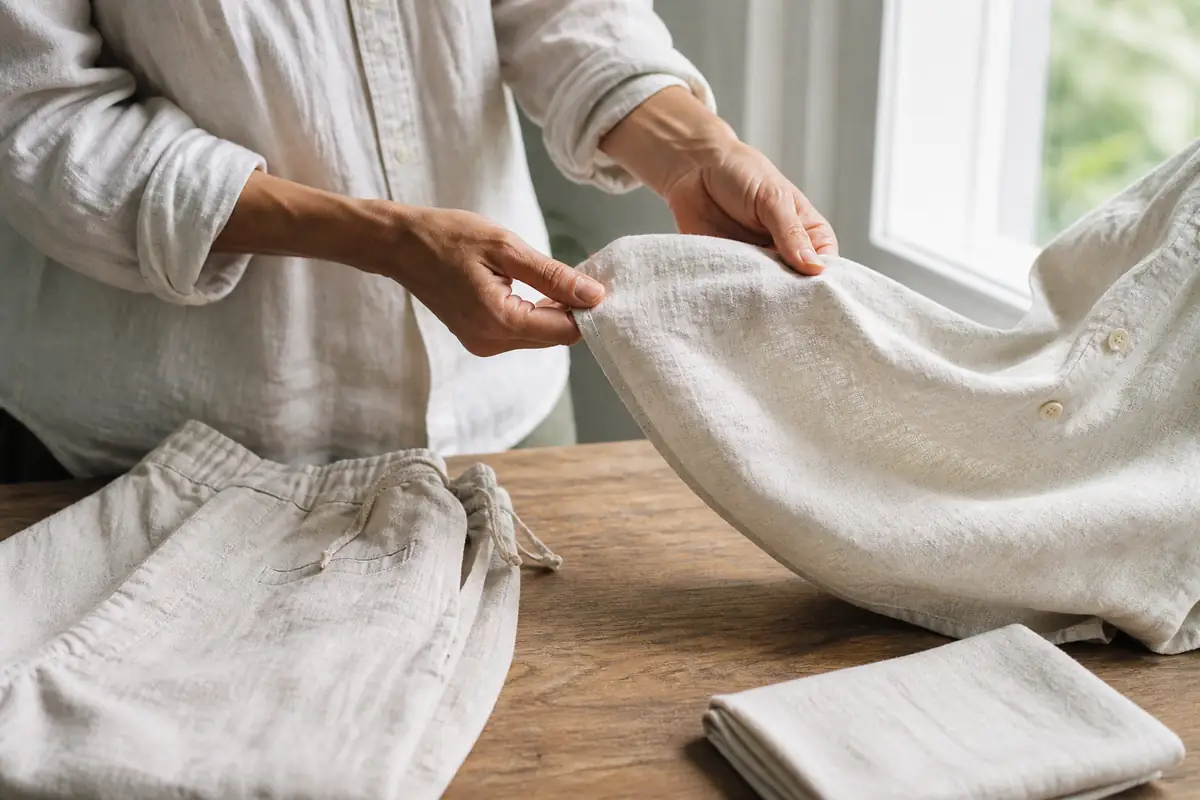
Linen can be crisp, fluid, sheer, structured or blended. Check weight and weave in real light, inspect stress points, allow for the stated care process and choose a cut that still works after normal creasing.
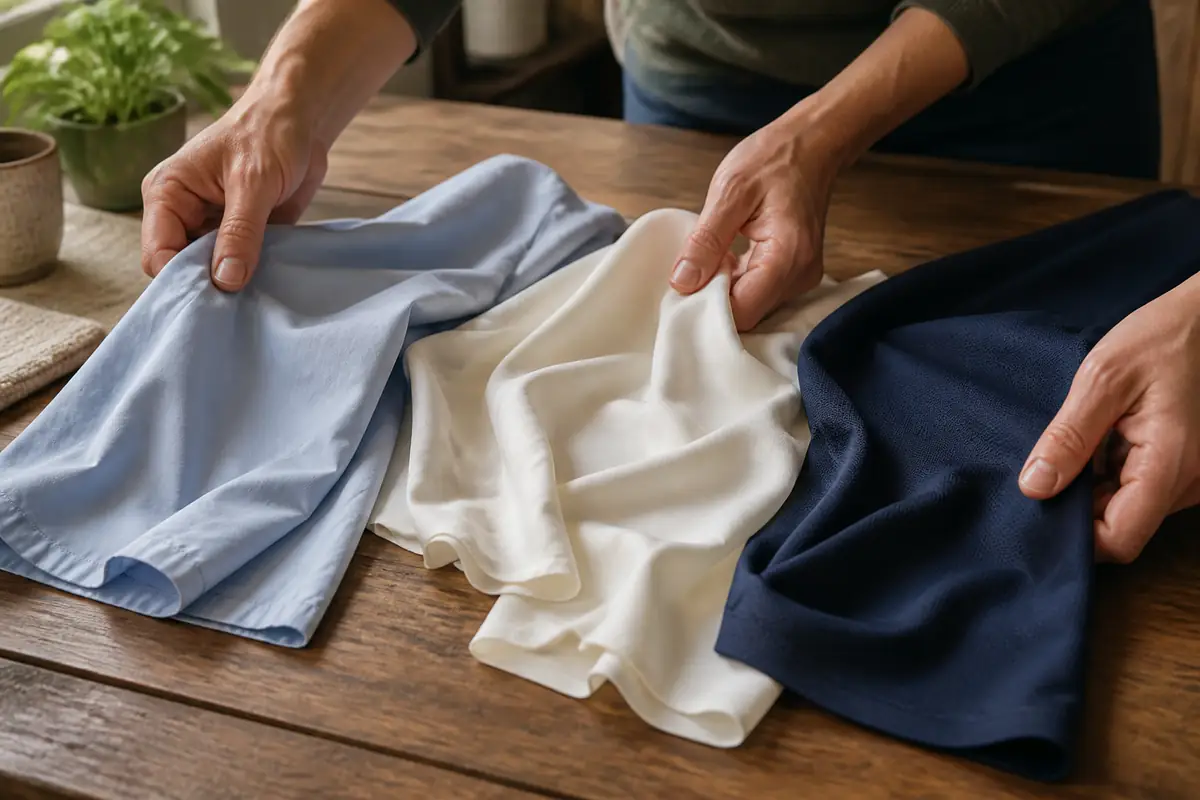
A fibre name does not tell you how a garment will behave. Match fibre composition with fabric weight, knit or weave, construction and care, then test the property that matters for that specific item.
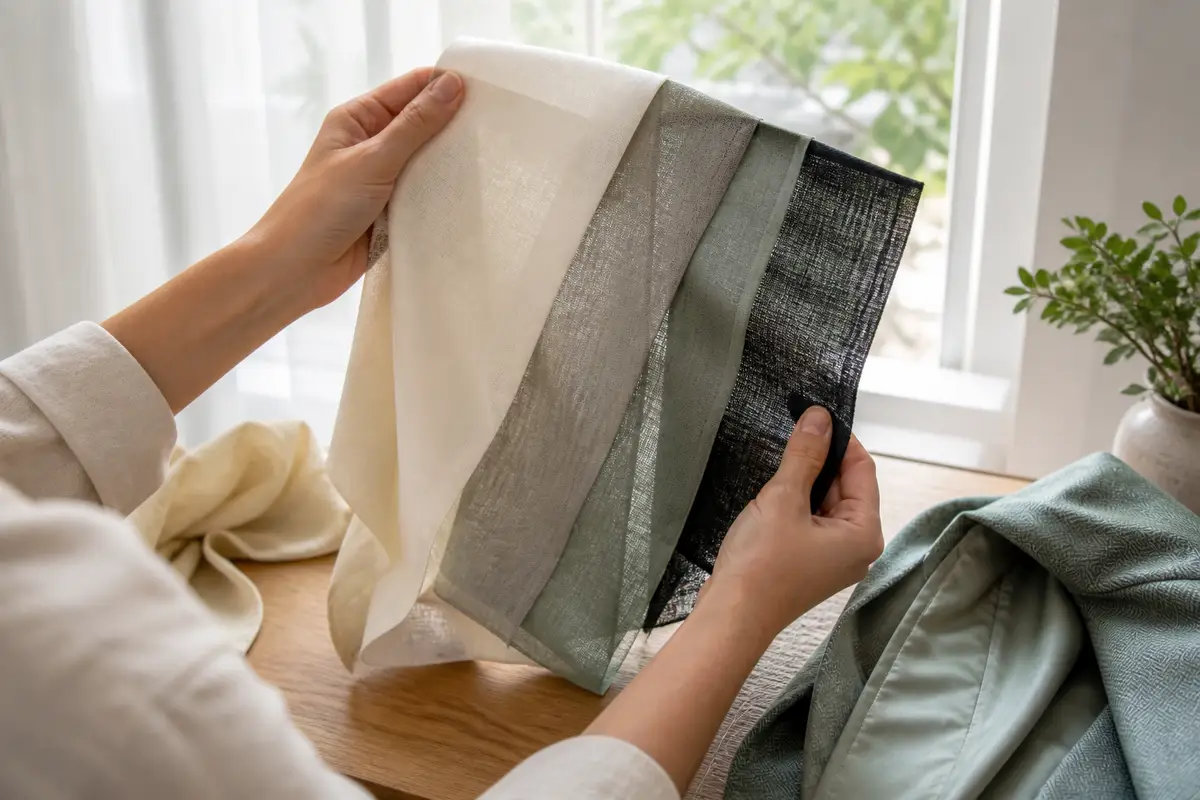
Fibre content cannot tell you whether a garment is substantial, sheer or well lined. Combine weight information, fabric structure, colour, construction photographs and repeatable review evidence before deciding.
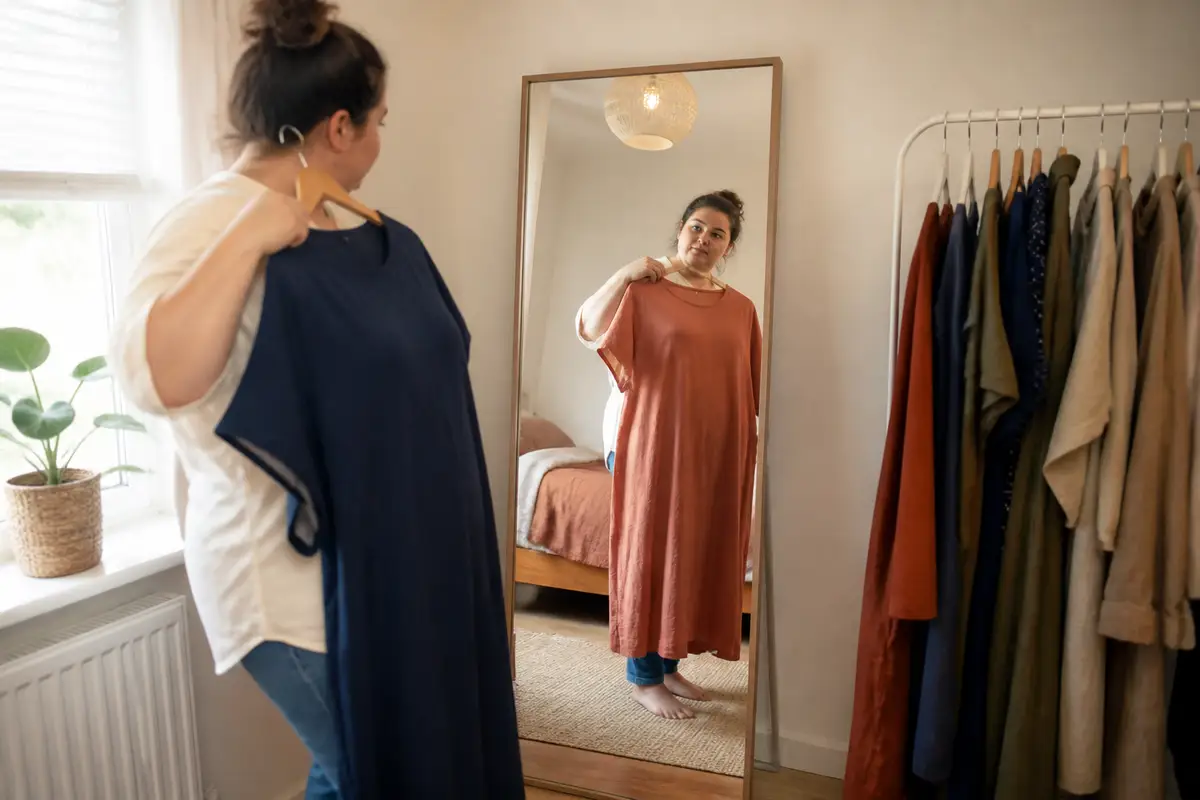
The best shop is not simply the one displaying the largest top size. Compare usable stock in your size, garment-level measurements, proportions, fabric evidence and the total cost and effort of a return.
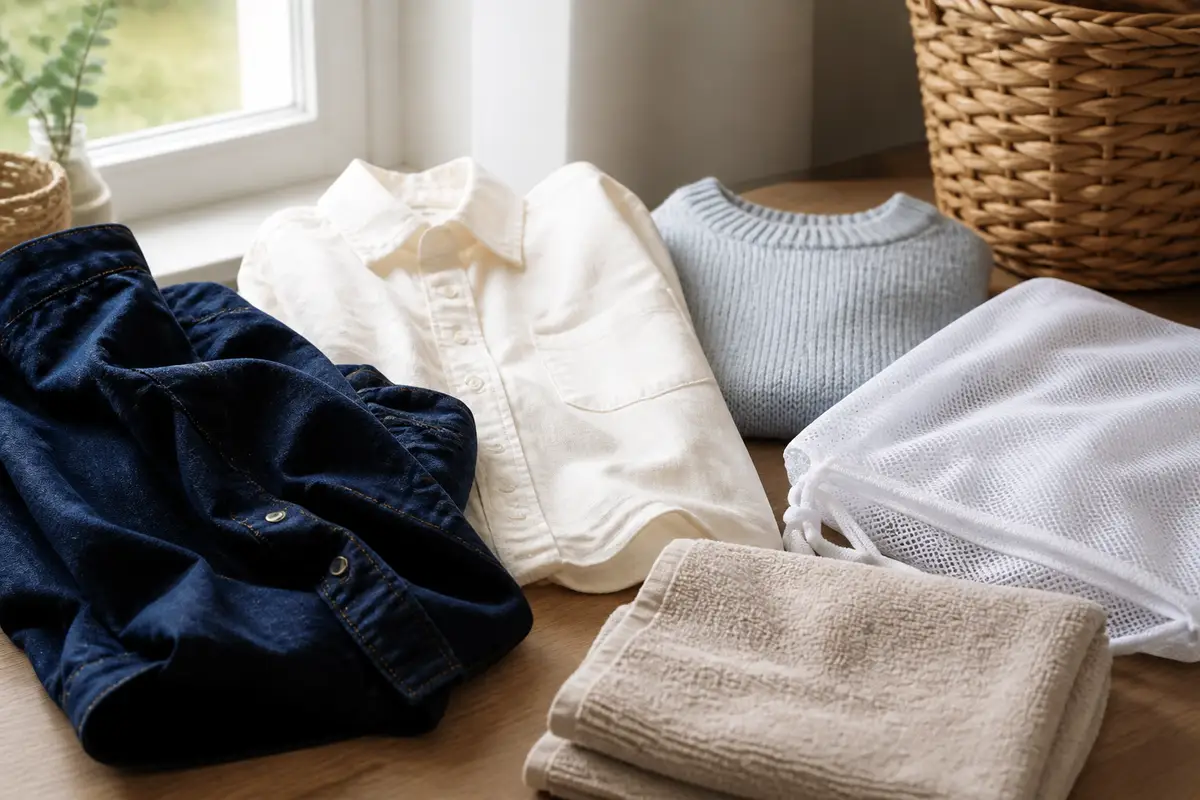
Do not wash a new garment until you have accepted the fit and ruled out faults. Once it is yours to keep, follow the complete care label, separate a risky first wash and dry it no more aggressively than the maker allows.
We use Google Analytics only with your permission to understand which guides are useful. Advertising storage and personalisation stay disabled. You can accept or reject analytics and change your choice later.
 RESEARCH-LED GUIDE141