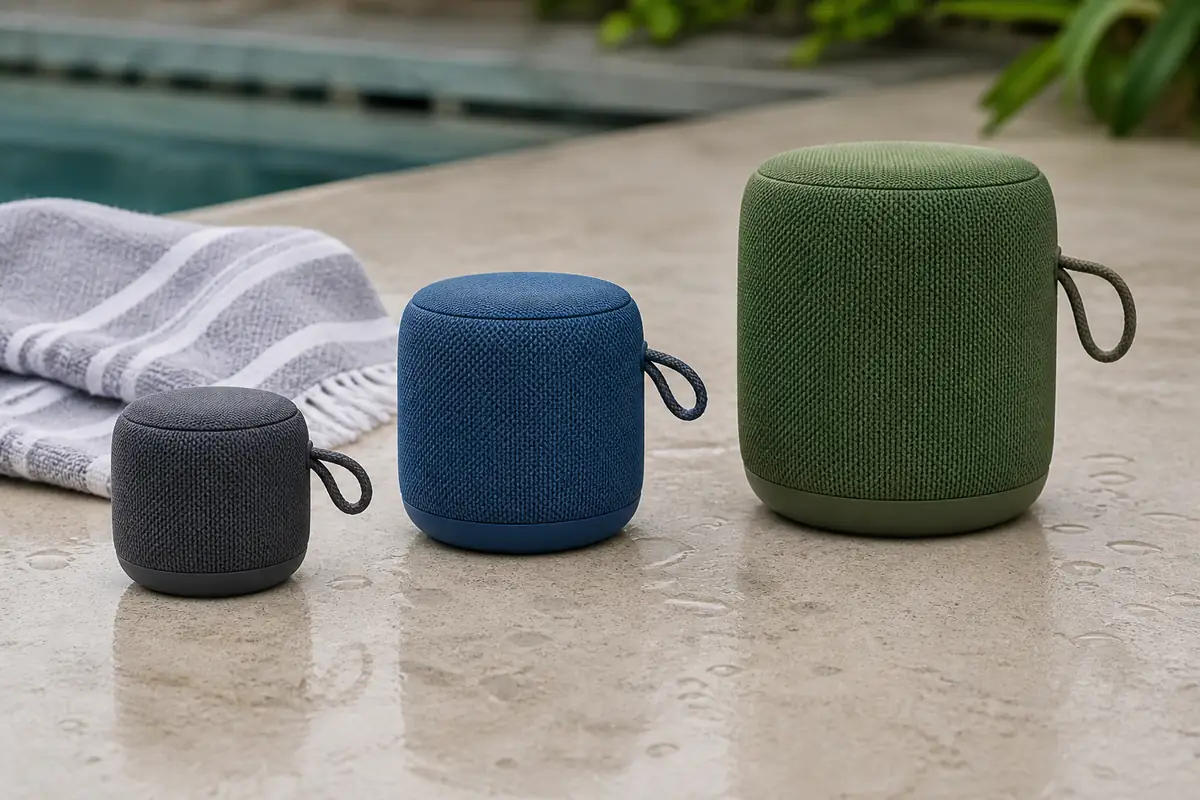
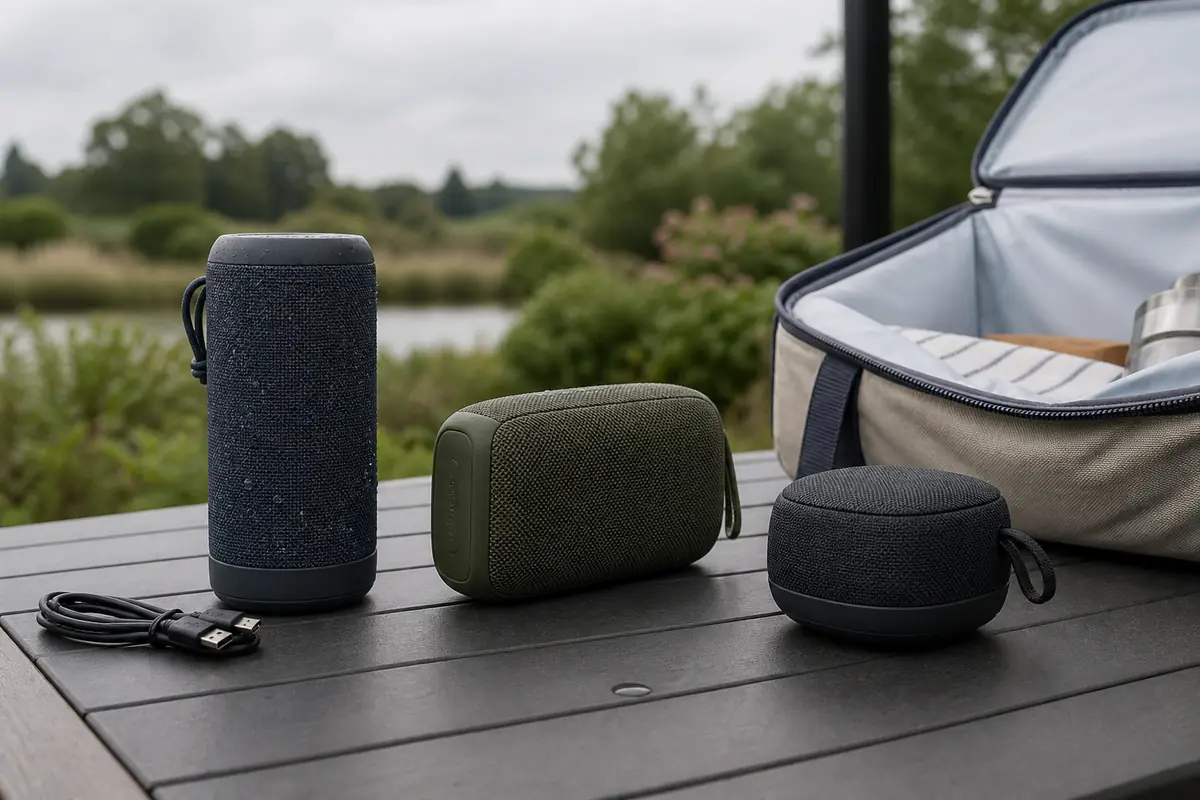
A portable speaker does not sound the same on every shelf, in every corner or across a garden. Choose a placement from listening distance, boundaries, surface vibration, weather exposure, stereo support, source compatibility, latency, radio obstacles, power and neighbour awareness.
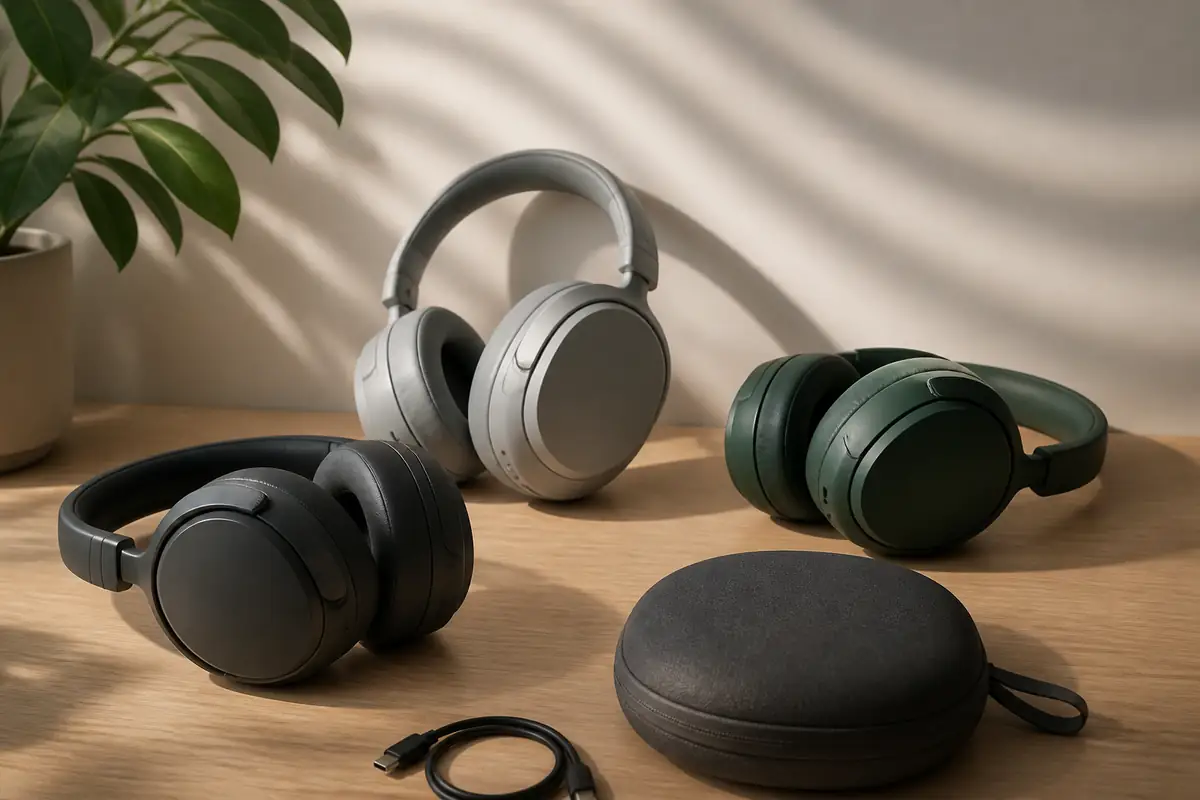
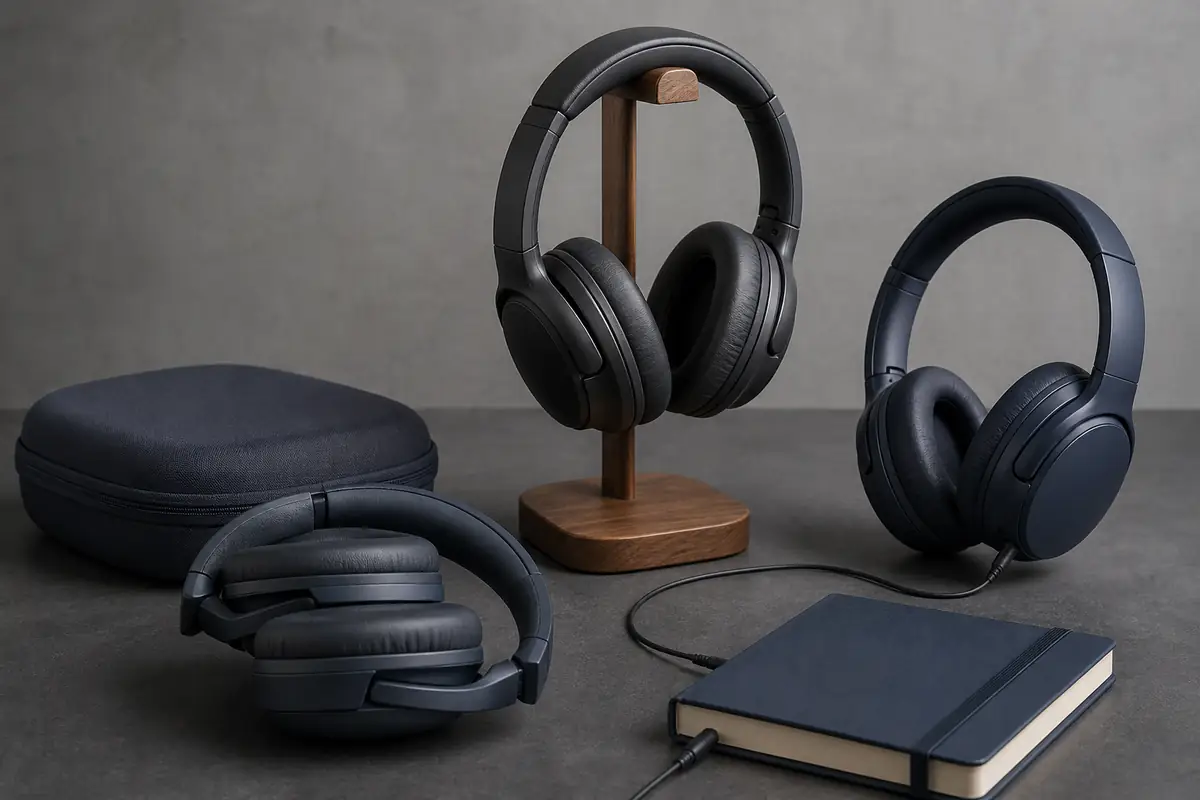
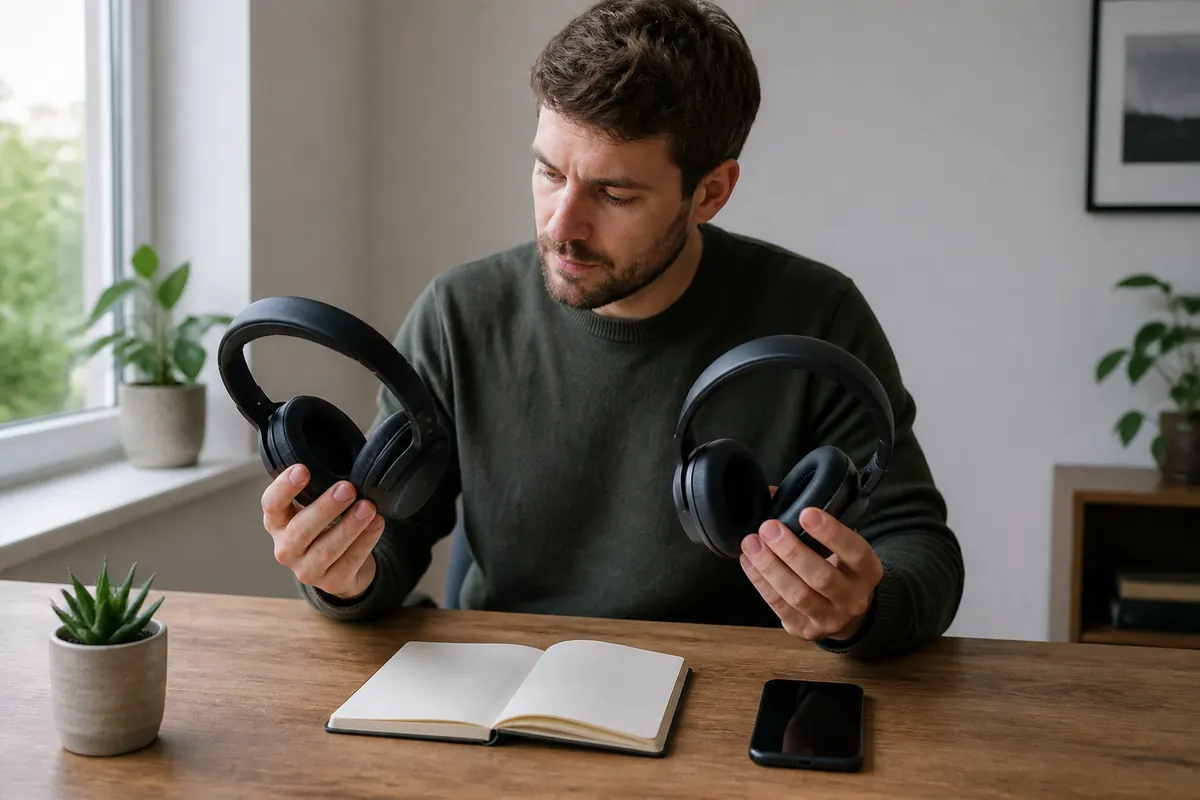
Active noise cancellation can reduce steady low-frequency sound, but it cannot make every environment silent. Compare passive fit, ANC behaviour, transparency, comfort, sound at matched volume, microphones, battery, wired use, controls and service.
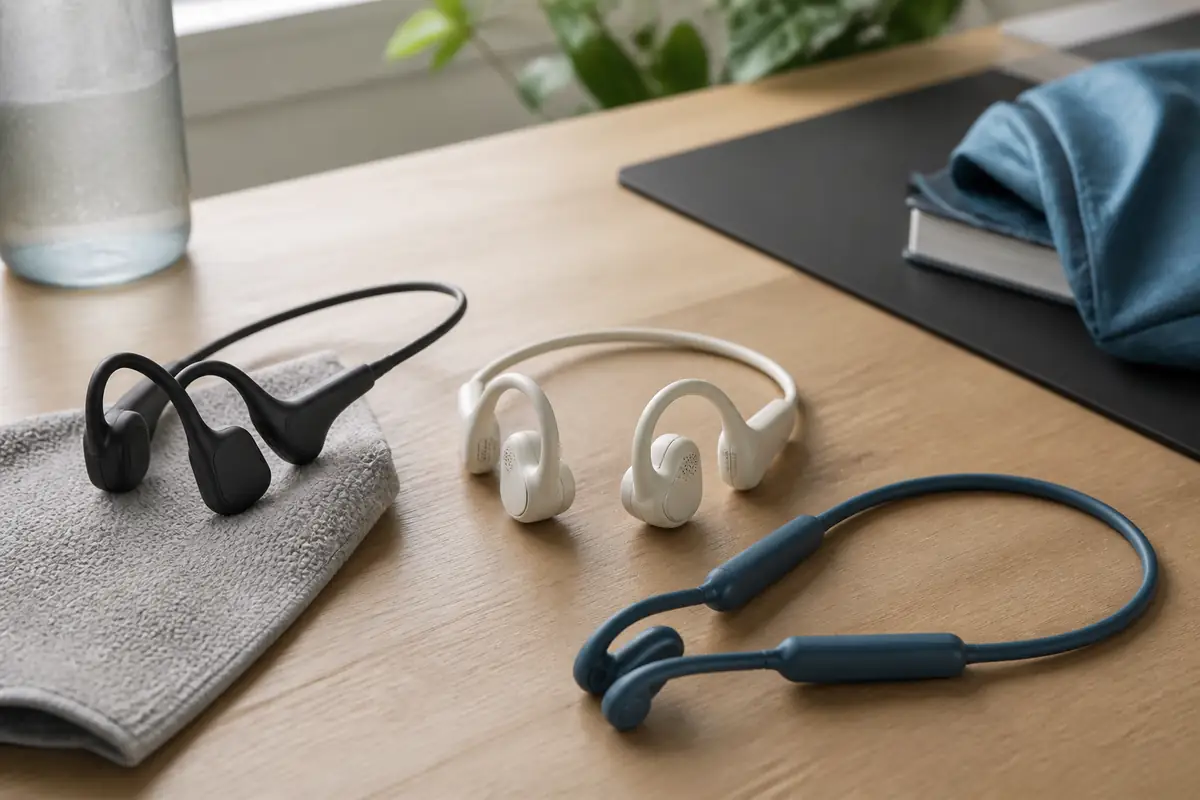
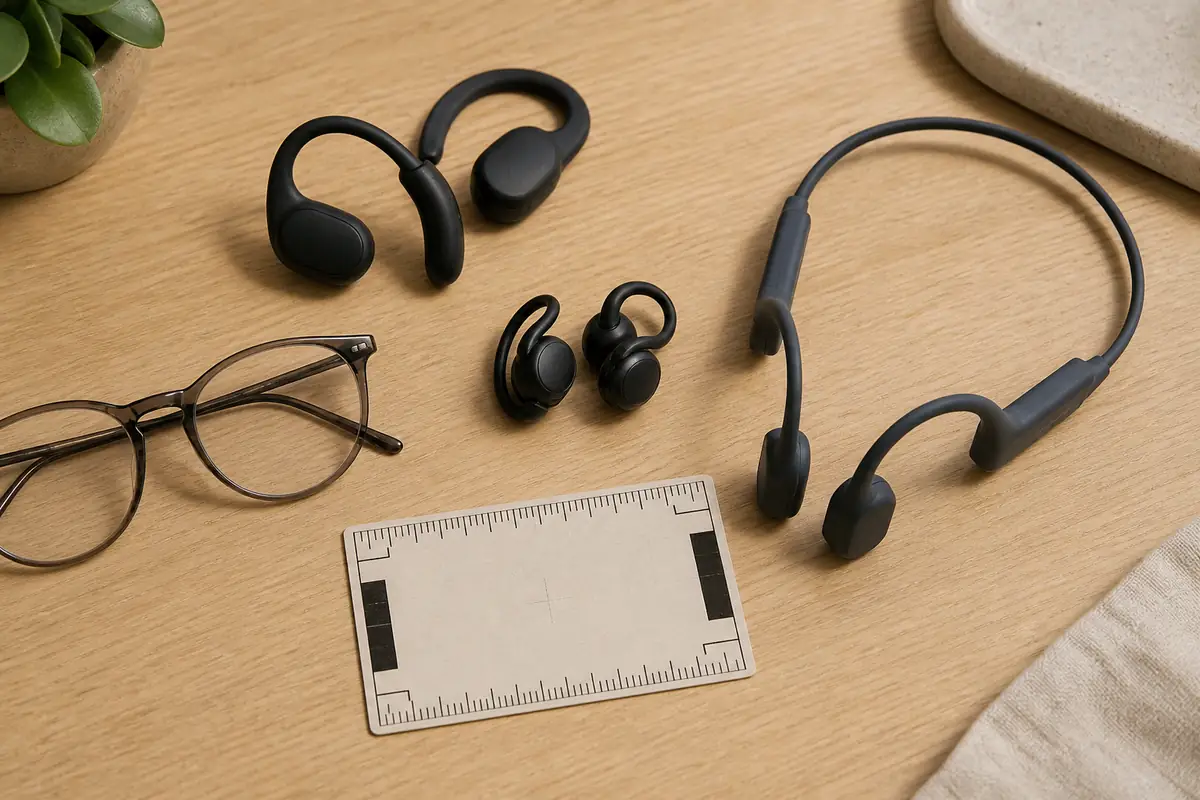
Open-ear headphones trade acoustic isolation and bass weight for awareness, ventilation and a less sealed feel. Value depends on the exact design, stable fit, intelligible calls, honest battery evidence and a use case that benefits from hearing the environment.
A portable speaker should be chosen for a specific room, journey or outdoor use. Size, placement, water resistance, charging and battery transparency usually matter more than a long feature list or a loud maximum-volume demonstration.
Active noise cancellation is useful for steady low-frequency sound, but it cannot erase every voice, impact or announcement. The better purchase is the pair you can wear comfortably, control without confusion, use across your actual devices and keep running after pads or batteries age.
Open-ear headphones leave the ear canal unobstructed, but that does not guarantee comfort, safety or private sound. Choose between ear-hook, clip and neckband forms by head and ear geometry, real background noise, leakage tolerance, call needs, glasses, weather and charging—not by an “awareness” slogan.
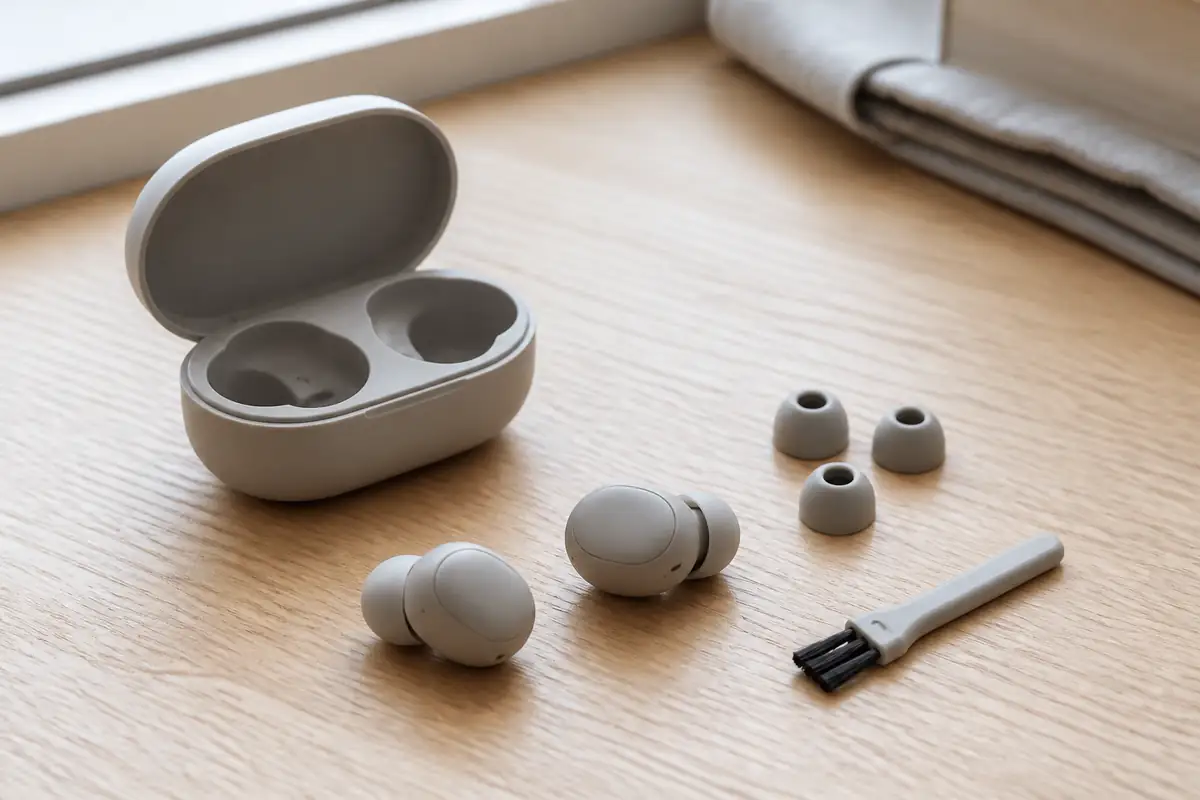
Keep the exact model record, remove tips only as instructed, clean mesh and charging contacts with the approved dry method and treat water resistance as a limited design claim. Uneven sound, heat, swelling or unstable charging needs evidence before more cleaning.
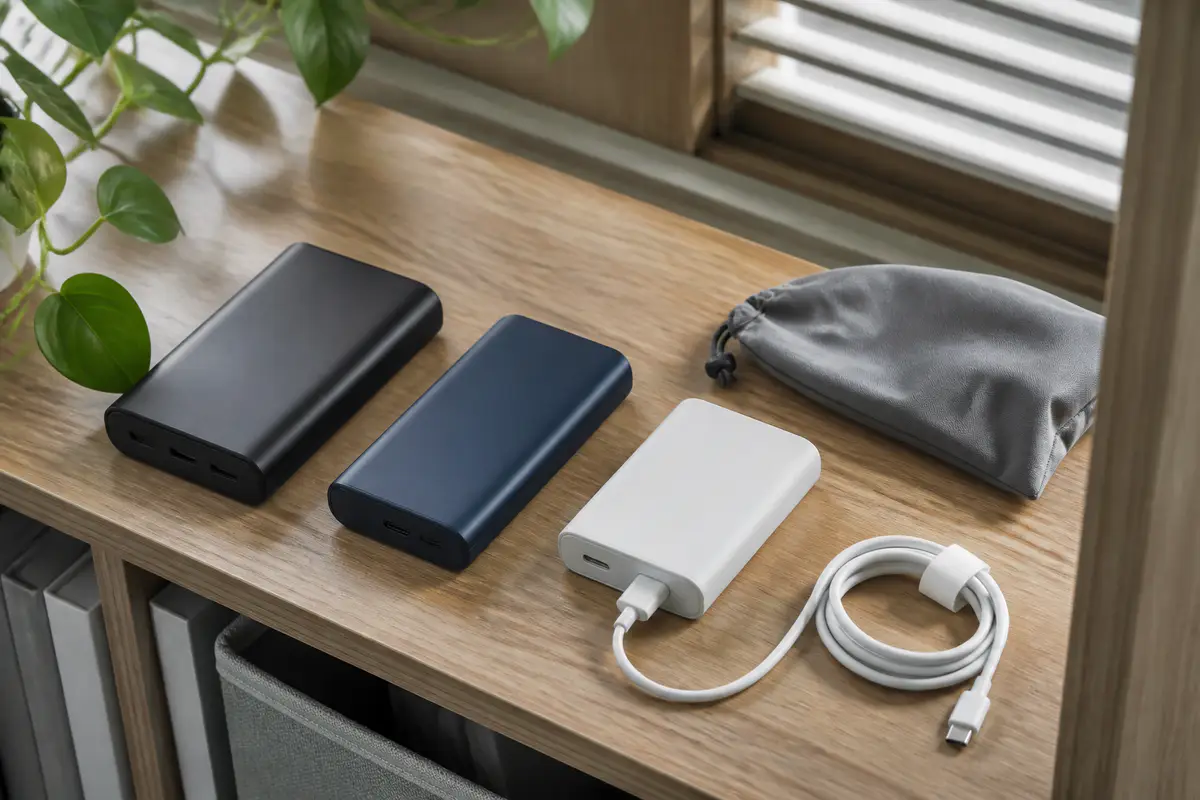
Lithium batteries age with time, heat and use. Keep the exact model record, use a compatible charger and cable, avoid crushing or hot storage, investigate swelling or unstable behaviour immediately and verify airline rules for every trip.
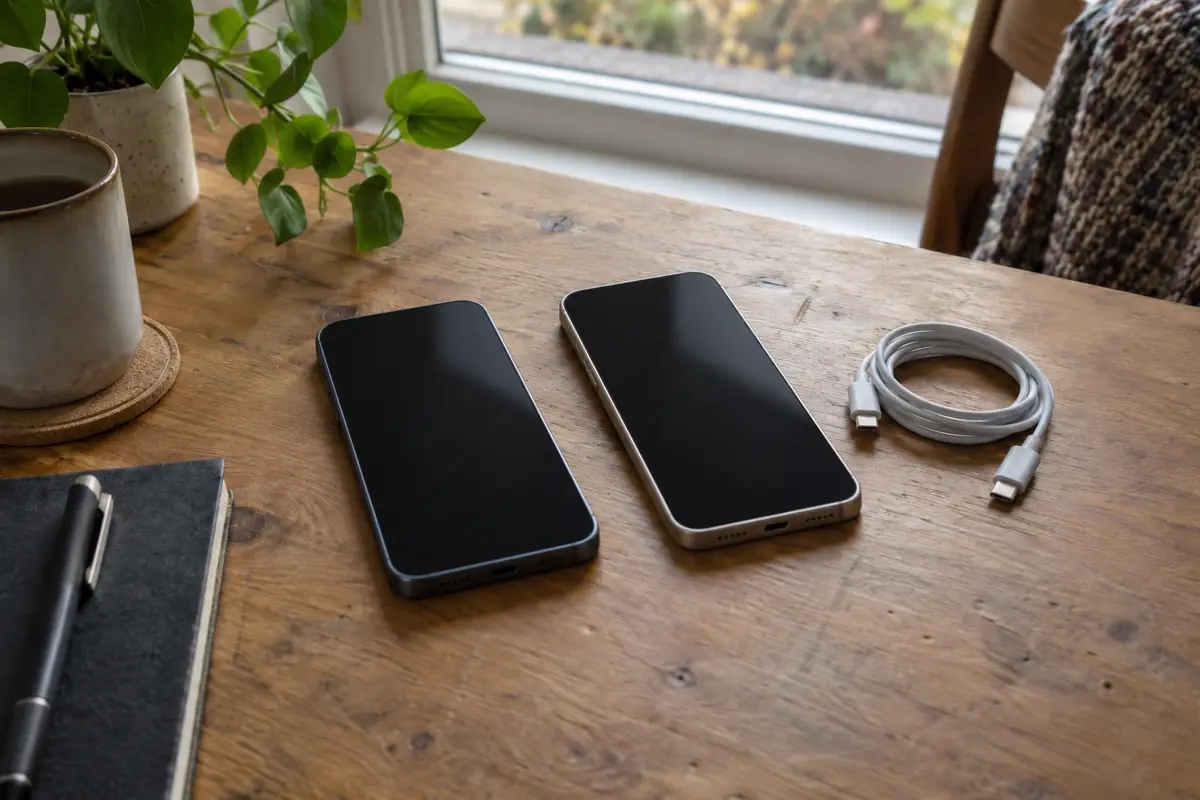
Choose the handset first, then compare the direct order: cash payment, old-phone obligations, return preparation and the conditions behind promotional savings.
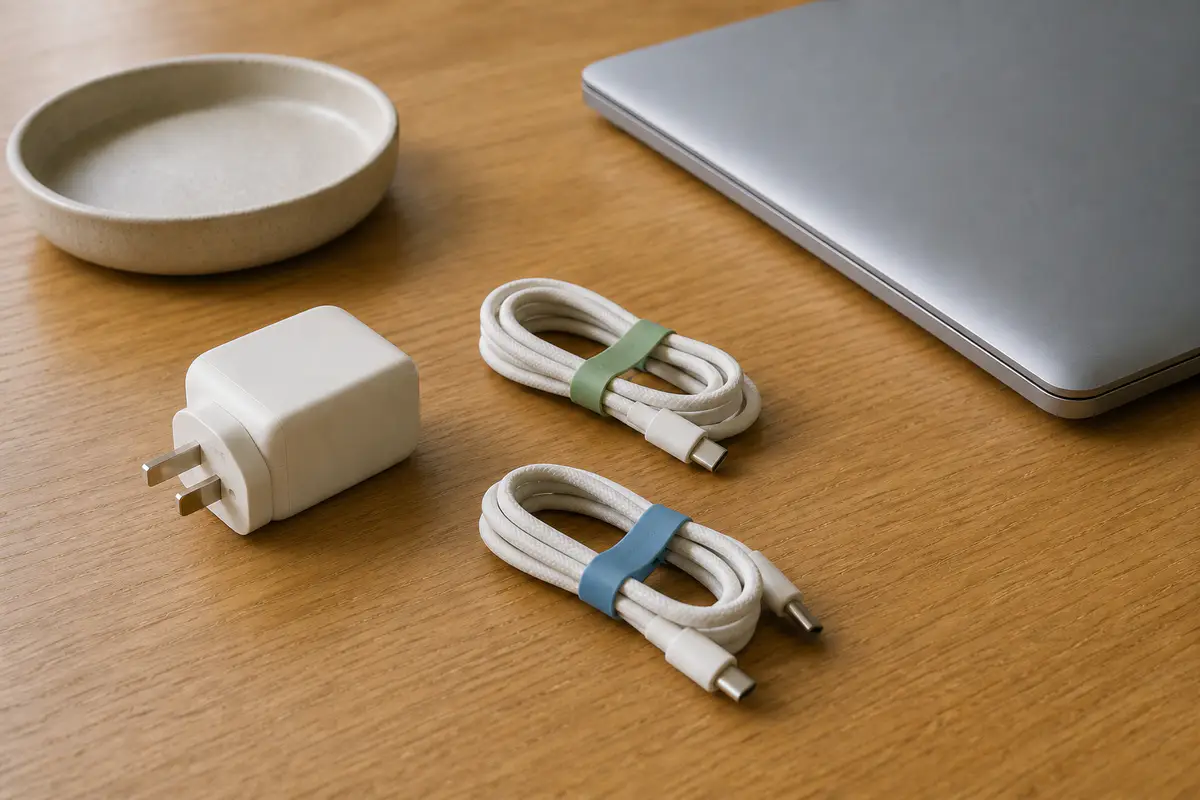
A compatible USB-C charger still needs clear airflow, an appropriate cable and regular inspection. Heat, loose ports and travel damage are signals to investigate, not reasons to improvise repairs or conceal the unit under soft furnishings.
We use Google Analytics only with your permission to understand which guides are useful. Advertising storage and personalisation stay disabled. You can accept or reject analytics and change your choice later.
 RESEARCH-LED GUIDE21