Choosing a hand cream: humectants, occlusives, fragrance and packaging
Hand cream should fit the pattern of washing, work and dryness. Compare the whole ingredient list, texture, container and instructions rather than buying the richest-sounding claim or the largest tube.
In this guide
Choose the product you can reapply at the right moments
For ordinary dryness, a fragrance-free emollient with a practical texture and clean dispensing format is a strong starting point. Lighter creams may suit daytime washing; a more occlusive ointment may suit night use. Painful cracks, persistent rash or suspected infection need professional advice, not a more expensive cosmetic.
“Hydrating”, “repairing” and “barrier” can appear on very different formulas. Humectants attract water, emollients smooth spaces between skin cells and occlusives reduce water loss, but one ingredient does not predict the entire feel or result. Frequency, amount, washing products, gloves and irritants also influence whether a routine works.
Define the use case before reading ingredients
| Situation | Useful priority | Practical caution |
|---|---|---|
| Frequent washing | Easy pump or tube and a cream comfortable enough to reapply | A beautiful jar may be inconvenient with wet or sore hands. |
| Very dry night use | Richer cream or ointment and enough time to absorb | Greasy residue can transfer to bedding or make floors and objects slippery. |
| Sensitive skin | Shorter, fragrance-free option previously tolerated | “Natural” or essential-oil fragrance is not automatically gentle. |
| Desk or travel | Secure cap, modest size and non-messy dose | Large airless pumps may not pack well. |
| Occupational exposure | Workplace skin-safety guidance and compatible protective equipment | A cosmetic cannot replace control of an irritant. |
Notice when tightness begins: after every wash, only in cold weather, or after a particular cleaning product. Remove an avoidable trigger where possible. NHS guidance describes emollients as moisturising treatments applied directly to the skin and notes that different types suit different situations.
Read ingredient functions as a system
- Humectants: ingredients such as glycerin or urea can help hold water, but concentration and the rest of the formula affect feel and tolerance.
- Emollients: oils, esters and fatty ingredients smooth the surface and can make movement more comfortable.
- Occlusives: petrolatum, waxes and some silicones reduce water loss, often with a heavier finish.
- Fragrance: adds scent but not moisturising function and can be unsuitable for some sensitive users.
- Preservatives: protect water-containing products from microbial growth; “preservative-free” is not an automatic quality advantage.
The order on a cosmetic ingredient list gives information but not a complete formula blueprint. A named ingredient near the top can be meaningful, while a front-label botanical may be present at a smaller level. Our beauty-claims guide explains how to separate a regulated label from an impression.
Choose cream, lotion or ointment by routine
Lotions spread quickly and may suit frequent daytime use, but can feel insufficient for very dry areas. Creams balance spread and richness. Ointments usually contain less water and form a stronger occlusive layer, which can suit night-time use but feel greasy. The NHS notes that the best emollient is the one that suits the skin condition and can be used regularly.
Two textures can coexist: a portable daytime cream after washing and a richer unperfumed product at night. That is useful only if both are used before expiry. Our beauty cost-per-use guide favours a smaller finished tube over a large abandoned one.
Fragrance-free and unscented are not identical
“Fragrance-free” generally indicates that perfume has not been added for scent, while “unscented” can sometimes mean odour has been masked. Read the ingredient list and manufacturer explanation, especially after a previous reaction. Botanical extracts and essential oils can also contribute fragrance.
Patch testing a cosmetic on a small area can reveal immediate intolerance but cannot guarantee that repeated use will be problem-free. Stop using a product that causes burning, swelling or worsening irritation. Our fragrance-free versus unscented guide goes deeper into label interpretation.
Match packaging to hygiene and dose
A pump is quick at a sink or desk and limits finger contact with the remaining product. A tube is portable and can dispense small amounts, though a flip cap may collect residue. A jar makes a thick ointment accessible but needs clean, dry hands or a spatula and is less convenient for sharing.
Check whether the pump reaches the bottom and whether the container can be recycled under local rules; material symbols do not guarantee kerbside acceptance. Protect the product from excessive heat and follow the period-after-opening or expiry information. Do not decant into an unlabelled travel pot if ingredients and use directions could be confused.
Apply at useful times, not only when discomfort peaks
NHS guidance says leave-on emollients can be applied as often as needed and should be smoothed rather than rubbed aggressively. Application after washing, once hands are gently dried, can be an efficient habit. If using a prescribed topical treatment, follow clinical advice about spacing and order; the NHS notes a 20–30 minute gap is often advised between an emollient and another skin treatment.
Emollient residue on clothing, bedding or dressings can increase fire risk, including after washing. Keep treated fabrics away from flames and smoking and follow current safety advice on the pack and from healthcare professionals. This warning matters even when the product itself is not obviously flammable.
Know when a cosmetic comparison is the wrong next step
Seek pharmacist or GP advice for persistent, worsening, painful, bleeding, weeping or infected-looking skin, or when self-care is not helping. Contact dermatitis and eczema may need identification of triggers and treatment. A hand cream cannot diagnose the cause.
For workplace exposure, report symptoms through the appropriate occupational-health route and use prescribed protective measures. Gloves can help for some tasks but sweating, latex or trapped irritants can create other problems. Product selection should sit within the safer-work method, not replace it.
Compare price by usable routine, not millilitres alone
Unit price helps compare similar formulas, but a cheap litre is poor value if its texture prevents daytime use or the pump leaves a large inaccessible remainder. Estimate applications per day, where the container will live and whether a second household member can tolerate the same fragrance. Start smaller when testing an unfamiliar formula.
Premium packaging, scent and botanical stories may make application pleasant, which can support regular use, but they do not prove stronger moisturising performance. Separate the functional requirement from the luxury preference. Keep a brief note of purchase date and response rather than switching several products simultaneously; that makes an irritant harder to identify.
Adapt the routine when weather and washing change
Cold air, indoor heating and increased hand washing can make a previously adequate lotion feel too light. Add a richer evening layer or increase frequency before replacing every product. In warmer periods, reduce heaviness if residue discourages use, while continuing protection required for work or a diagnosed condition.
Hand sanitiser and soap serve hygiene purposes that moisturiser does not replace. Follow public-health or workplace instructions, let products dry as directed and apply emollient at a practical interval. If a product damages gloves or equipment, use the manufacturer’s compatibility advice rather than guessing from texture.
Place containers where the routine occurs without creating a hazard: beside, not on, a wet sink edge; in a closed desk drawer away from shared food; and out of reach of children where required. Label any clinically recommended product clearly so it is not confused with ordinary cosmetic hand lotion.
When several people share a pump, keep the nozzle clean and avoid touching it to broken skin. Personal tubes may be preferable during an active skin problem. Do not top up an old container with new product, because residue, age and the original label can make hygiene and traceability uncertain.
Which texture fits the routine?
You need frequent daytime use
It is comfortable after washing, fragrance is acceptable for your skin, and the package makes repeated clean application easy.
You need stronger overnight occlusion
You can manage the residue safely, follow fire warnings and have no symptom that needs professional assessment.
Balanced verdict
The most useful hand cream is tolerated, accessible and reapplied in a routine that reduces avoidable irritation. Ingredient functions guide the shortlist, but texture, fragrance, packaging and safety decide whether it works in daily life. More expensive or more botanical does not automatically mean better.
Continue with our ceramides guide, skincare concentration guide, clean-beauty claims guide and the Beauty archive.
Check current official sources:
NHS emollients guidance ↗NHS contact dermatitis guidance ↗GOV.UK cosmetic product guidance ↗
Frequently asked questions
What is the difference between a hand cream and an ointment?
Ointments are usually more occlusive and greasier, while creams contain more water and often spread more easily. Suitability depends on dryness, tolerance and use.
Is fragrance-free always better?
It is a sensible starting point for many sensitive users because fragrance adds no moisturising function, but no product can guarantee universal tolerance.
How often can hand cream be applied?
NHS guidance says emollients can be used as often as needed. Follow the exact product instructions and clinical advice.
Can I use hand cream on cracked or bleeding skin?
Painful, bleeding, weeping or infected-looking skin warrants pharmacist or GP advice. A cosmetic should not delay assessment.
Why does emollient fire safety matter?
Residue can build up on fabrics and make them burn more readily. Keep treated materials away from flames, smoking and other ignition sources.
Methodology and limitations
We assessed hand creams through use case, ingredient function, texture, fragrance, packaging, application, safety and escalation to professional care. This is buying guidance, not medical diagnosis.
Limitations
Formulations and individual tolerance vary. Recheck the complete ingredient list and directions, and seek qualified advice when symptoms persist or worsen.
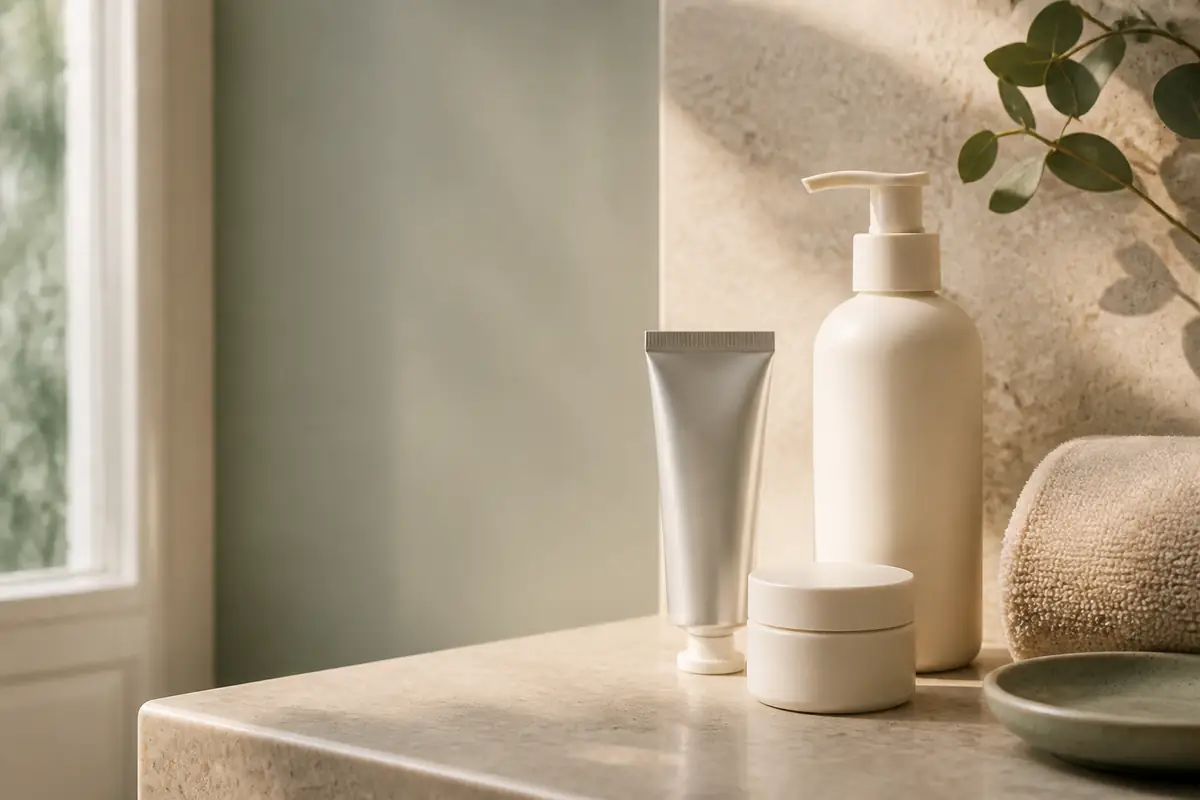
The image is an editorial illustration, not a photograph from a product test. Links are editorial and non-affiliate.