Choosing cleansing balms: ingredients, fragrance, packaging and rinsing
A balm should loosen the products you actually wear and emulsify without turning cleansing into a harsh scrubbing routine. Compare the full formula, instructions and pack design—not a claim that it “melts everything”.
In this guide
Choose the simplest balm that removes your normal routine comfortably
Read the ingredients, eye-area directions, fragrance disclosure, emulsifying instructions and period-after-opening mark. Prefer packaging you can use hygienically and a size you can finish. Persistent stinging, swelling or worsening irritation is a reason to stop, not to cleanse harder.
Cleansing balms are oil-rich, semi-solid cleansers designed to spread over dry skin and lift oil-soluble makeup, sunscreen and sebum before water is added. Their usefulness depends on formula and technique. Some rinse into a light emulsion; others leave more residue and may suit a cloth-assisted routine. Neither behaviour proves better cleansing for every person.
Compare the formula by function
| Formula part | Possible role | What to verify |
|---|---|---|
| Oils and emollients | Dissolve and spread through oily product films | Full ingredient list and personal tolerance. |
| Emulsifiers | Help oil disperse when water is added | Rinsing directions and residue preference. |
| Wax or butter | Create balm texture and structure | How the product softens and scoops. |
| Fragrance components | Add scent | Ingredient disclosure and sensitivity history. |
| Preservation system | Protects the formula during intended use | PAO, storage and water-contamination advice. |
Start with what must be removed
List the sunscreen, base, eye makeup and long-wear products used on an ordinary day. A lightly tinted sunscreen may need a different routine from waterproof mascara and transfer-resistant foundation. Check whether the manufacturer explicitly permits use around closed eyes and whether contact lenses should be removed first.
Do not assume one balm must replace every cleanser. Some people prefer a separate eye remover or a second gentle wash; others find a single thorough rinse sufficient. The correct routine is the least complicated one that removes the intended product without repeated rubbing or discomfort.
Read the ingredient list without ranking it by fashion
Ingredients appear using standardised names and broadly in descending weight order until the lower-concentration portion, but the list does not reveal the finished formula’s exact percentages or performance. A familiar plant oil is not automatically gentler, and a synthetic emollient is not automatically inferior. Formula stability, impurities, fragrance and individual tolerance matter.
Use our cosmetics ingredient-list guide and UK cosmetics-label guide to identify the responsible person, warnings, batch information and period-after-opening symbol. Avoid diagnosing skin from an ingredient list.
Distinguish fragrance-free from unscented
A product described as unscented may still contain ingredients that mask another smell, while fragrance-free positioning should be checked against the actual list and current manufacturer explanation. Essential oils can also contribute scent. If fragrance has triggered problems before, marketing language is not enough evidence.
Our fragrance-free versus unscented guide explains the distinction. For reactive skin, introduce one new product at a time and follow appropriate professional advice where there is a diagnosed condition or ongoing reaction.
Test emulsification and rinsing gently
- Use dry, clean hands unless the instructions say otherwise.
- Spread without prolonged massage; more friction is not proof of better cleansing.
- Add the stated amount of water and observe whether the balm disperses.
- Rinse or remove as directed with a clean, soft cloth if required.
- Assess comfort after drying, not only the slippery feel during use.
A residue may be an intentional sensory finish, incomplete emulsification or simply unsuitable for the next step. Judge it by comfort and compatibility rather than expecting a squeaky feel. Do not use very hot water or abrasive cloth pressure to compensate for a poor match.
Consider cloth use as a separate choice
Reusable cloths add mechanical removal and must be soft, clean and laundered reliably. One cloth left damp for repeated uses can undermine an otherwise sensible routine. Keep enough to rotate and follow fabric-care instructions. Our facial cleansing cloth guide compares fibre, weave, washing and replacement.
If the balm already rinses cleanly, a cloth may be optional. If the instructions require one, include cloth cost and laundry in the decision. Avoid scrubbing around the eyes and stop if fabric drag causes redness or soreness.
Choose packaging that protects the routine
Jars offer direct access but need clean, dry fingers or a clean spatula. Tubes and pump packs can reduce repeated contact yet may make thick balms harder to dispense or leave inaccessible product. Check whether the container closes securely, survives bathroom warmth and is practical for travel.
Do not decant a formula casually into an unlabelled pot. The original pack carries ingredients, warnings, batch and PAO information. Water introduced into a jar can alter intended use, so keep wet cloths and dripping hands away unless the manufacturer says otherwise.
Compare price by likely finished uses
Record pack size, recommended amount and realistic frequency. A large jar is poor value if fragrance, texture or expiry means it is abandoned. The beauty cost-per-use guide helps compare sizes without assuming the largest pack wins. Discounts should not justify stockpiling beyond the likely PAO.
Check retailer hygiene-seal and return terms before opening. The UK cosmetics returns guide explains why a change-of-mind route may narrow once a sealed product is opened, while statutory rights for faulty or misdescribed goods are separate.
Introduce a new balm cautiously
Follow the product directions and consider a cautious introduction if your skin is reactive. A consumer patch test cannot guarantee future tolerance or reproduce eye-area use, but it can provide limited information before full-face application. Read our patch-testing guide for its limits.
Stop using the product if it causes persistent burning, swelling, hives or a worsening reaction, rinse appropriately and seek suitable medical advice when needed. Do not keep re-testing a concerning reaction to prove which ingredient caused it.
Check compatibility with the rest of the routine
A balm sits at the start of an evening routine, so assess what follows. A heavy residue may affect how a leave-on product spreads, while an unnecessarily aggressive second cleanse can turn a comfortable balm into an irritating routine. Change one step at a time and record whether discomfort appears during cleansing, immediately afterwards or only after later products.
Do not use the balm to compensate for excessive exfoliation or a complicated active routine. If the skin barrier feels persistently sore, simplify and seek suitable advice rather than adding another fragranced or scrub-like cleanser. Claims such as “detoxifying”, “pore erasing” or “purging” should not override observable comfort and established label directions.
Compare environmental claims carefully
Refill packs, glass jars and recyclable components can reduce some material use, but the complete claim needs context. A glass jar is heavier to transport; a refill may still use mixed materials; and local recycling acceptance varies. Check what the brand actually says, which component the claim covers and whether the pack must be separated or cleaned.
The most practical waste reduction is often buying a size that will be finished within its safe use period and avoiding duplicate cleansers. Use our green-claims guide rather than treating “natural”, “clean” or “eco” as regulated proof of a better formula.
Which cleansing route fits?
You want a short evening routine
The formula emulsifies as directed, removes your normal sunscreen or makeup and leaves no uncomfortable film without vigorous cloth work.
You prefer controlled physical removal
The instructions support it, cloth hygiene is manageable and gentle use does not create friction or eye-area discomfort.
Balanced verdict
Write down the ordinary routine before opening a new jar: products to remove, intended amount, cloth choice and follow-up cleanser if any. This makes it easier to distinguish poor removal from an overloaded routine and prevents extra steps being added simply because the balm was expensive.
Before committing to a full size, compare a legitimate smaller pack only when the unit-price premium is acceptable and the packaging provides the same formula protection. A sample or mini is useful when it prevents a nearly full jar becoming waste; it is not automatically economical when repeated indefinitely.
Choose a cleansing balm for removal performance, comfort and a routine you can maintain—not for exotic oil names or a dramatic melting claim. The strongest product page provides a complete ingredient list, clear eye and rinsing directions, storage information and a usable pack. If the balm demands repeated rubbing or leaves persistent irritation, it is the wrong match even if it removes makeup quickly.
Browse the Beauty archive and our cosmetics expiry guide before choosing size.
Check current official sources:
GOV.UK cosmetics guidance ↗
NHS contact dermatitis guidance ↗
Frequently asked questions
Does a cleansing balm always need a second cleanser?
No. It depends on what was removed, the formula, instructions and how skin feels afterwards. A second step is not automatically better.
Can cleansing balm be used around the eyes?
Only if the manufacturer’s directions permit it. Avoid direct eye contact and stop if stinging persists.
Are essential oils the same as fragrance-free?
No. Essential oils can contribute scent and may be listed individually. Check the complete ingredients and current product claim.
Is a jar unhygienic?
Not inherently, but use clean, dry hands or a clean spatula, close it properly and follow storage and PAO instructions.
Should skin feel squeaky after rinsing?
No particular after-feel proves cleanliness. Judge removal, comfort and compatibility without chasing tightness through hotter water or more rubbing.
Methodology and limitations
We assessed cleansing balms through formula function, labelling, fragrance, eye directions, emulsification, cloth use, packaging, hygiene, shelf life and cost per use. Official UK cosmetics and NHS information was checked on 30 August 2026. No named formula was clinically or laboratory tested.
Limitations
Formulas, directions and retailer terms change, and individual tolerance varies. Recheck the exact label and seek appropriate professional advice for persistent skin concerns.
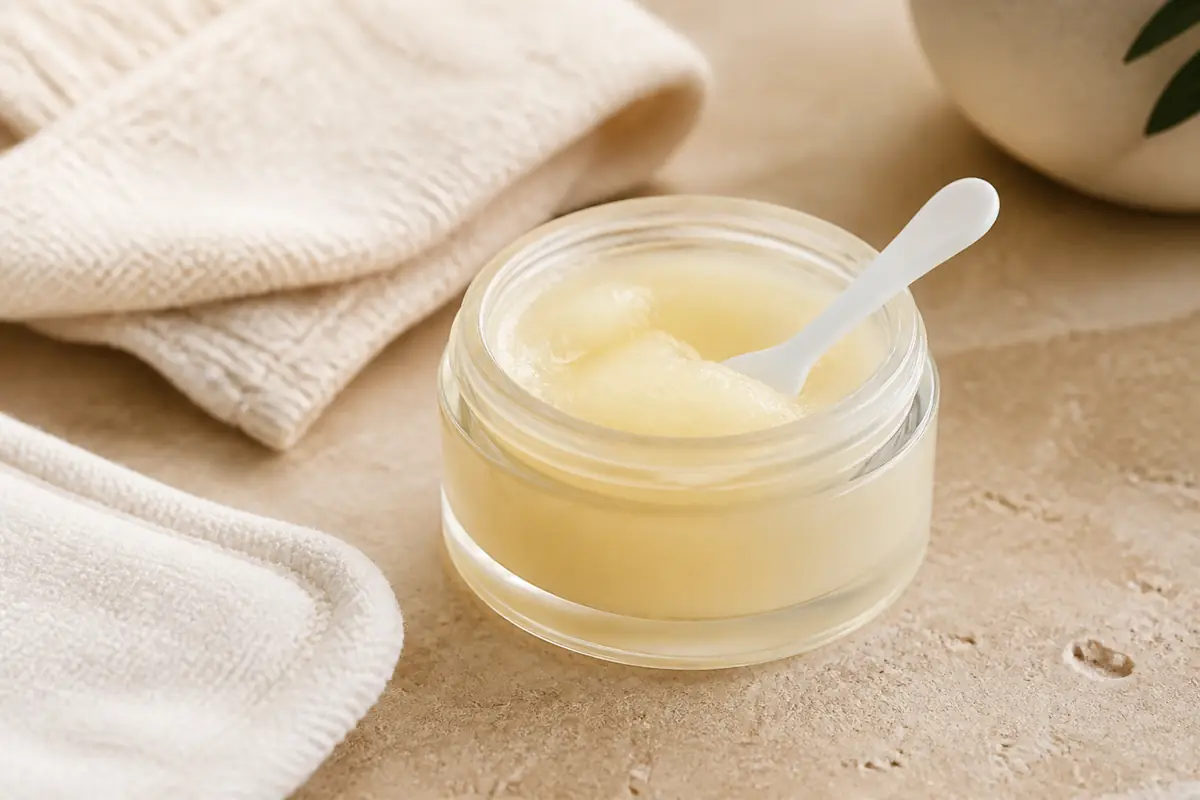
The image is an editorial illustration, not a photograph from a product test. Links are editorial and non-affiliate.