Click and collect orders: collection windows, ID, missed pick-ups and returns
Click and collect can remove delivery uncertainty, but “in stock”, “ready” and “reserved” are different states. A reliable order records the seller, collection point, release evidence, holding period, collector requirements, inspection route and what happens if nobody arrives in time.
In this guide
Travel only after the ready notice
Save the order terms, wait for the retailer’s explicit collection message and take the exact evidence it requests. Confirm the final collection deadline, opening hours and whether another person may collect. Inspect the package before leaving where practical, and keep the order record until any refund has settled.
This guide covers paid online orders and reservations collected from a store, locker or third-party point. The contract and cancellation position can depend on how and where payment is completed, so record the actual route rather than assuming every service called click and collect is identical.
Identify the transaction model
A paid online order collected later is usually different from an online reservation paid for in store. Some retailers allocate stock immediately; others send a request to a branch and confirm only after staff find the item. A marketplace order may be sold by one trader, fulfilled by another and handed over by a third-party collection point.
Save the “sold by” line, payment confirmation and service description using the online purchase evidence guide. If no money has been taken, find out whether a reservation expires without liability or whether the retailer treats it as a binding order.
| Status | What it normally means | Safe action |
|---|---|---|
| In stock | A system believes units exist | Do not travel yet |
| Order confirmed | The order was accepted or received | Save terms and await fulfilment |
| Preparing | Stock is being allocated or moved | Watch for delay or substitution |
| Ready to collect | The seller says the item can be released | Check deadline, point and evidence |
| Collected | The handover was recorded | Inspect and retain proof |
Collection record
- Legal seller and exact product or variant.
- Order number and payment method.
- Collection address, counter or locker.
- Ready-notice date and final collection time.
- Required code, card, ID or app access.
- Authorised collector rules and accessibility needs.
- Return route after collection.
Do not equate stock with allocation
Store stock feeds can lag after sales, damage, theft or misplacement. A branch showing one item is a lead, not proof that it has been set aside. Likewise, “collect today” can be a service estimate subject to the retailer locating and checking the product.
If timing matters, choose a realistic backup and avoid paying for non-refundable travel before the ready notice. Capture the stated estimate without calling it a promise unless the checkout makes the date essential and the seller accepts it as such.
Read the holding window precisely
A retailer may count calendar days, working days or a fixed number of hours from the ready message. The collection point’s opening hours can shorten the usable window, and bank holidays, shopping-centre hours or counter closures may differ from the host store.
Put the final time in the calendar immediately. If delay is likely, contact the seller before expiry and save any agreed extension. Do not assume an uncollected item remains behind the counter or that a refund starts the moment the window closes.
Confirm who can collect
Requirements vary: order number, barcode, collection code, payment card, photo ID, account app or a combination. Some routes allow an authorised person with specified evidence; others restrict high-value, age-restricted, financed or regulated products to the buyer.
Share only the minimum collection information with a trusted person and never send account passwords or complete payment details. If a name change is needed, use the retailer’s documented process rather than hoping staff can override a mismatch.
Protect accessibility and travel planning
Check step-free access, counter location, parking, locker height, opening hours and whether a large order needs assistance. A free collection that requires an expensive or difficult journey may cost more than suitable delivery. Add fare, parking and time to the comparison.
For bulky or heavy goods, confirm packed dimensions and lifting arrangements. A collection service does not guarantee that staff can load a vehicle, and a product that fits the room may not fit the car. Keep the route safe rather than improvising at the counter.
Inspect identity and condition before leaving
Check the product name, size, colour, quantity and visible package condition at handover. For an unsealed or plainly damaged parcel, ask staff to record the issue before marking the visit complete. Do not open hygiene-sealed or return-sensitive goods merely to conduct a casual inspection.
If the wrong item is presented, decline it and keep evidence of the attempted collection. A substitute is a new decision, not an obligation. The faulty-goods guide explains how wrong, damaged and misdescribed items differ from simple change of mind.
Keep proof of handover
A locker door opening or staff scan may generate the only collection record. Save the confirmation and photograph an external issue without capturing other customers’ information. If the system marks an order collected when nothing was released, report it immediately from the location.
Retain the listing, receipt and collection proof with the purchase-record method. For a gift or shared order, name the person who holds this evidence and will manage a later fault.
Know what happens after a missed pick-up
Policies can return stock to the shop floor, warehouse or external seller and then trigger a refund. The time between expiry, physical return and refund can be substantial. A financed or split-payment order may also unwind through more than one ledger.
Contact the contracting seller, not only the host collection point. Ask for current status, whether collection can still occur, and the expected refund route. Do not place a duplicate order until the first one’s position and available funds are understood.
Separate cancellation from non-collection
Failing to collect is not the clearest way to exercise a cancellation right. If an eligible distance purchase is unwanted, notify the trader through its recognised route and keep the timestamp. The returns-policy checklist helps distinguish statutory cancellation from a voluntary store process.
After collection, ordinary online cancellation may still apply subject to timing and exceptions. Where payment was completed only in store, change-of-mind treatment may depend more heavily on the retailer’s goodwill terms. Faults and misdescription remain separate.
Audit price and promotions at checkout
Collection can interact with minimum spends, loyalty rewards, app-only prices and promotional gifts. Compare the actual payable basket and verify whether a cancellation or partial return recalculates a multibuy. The dynamic-pricing guide shows how to preserve the dated offer without assuming personalisation caused every difference.
Never add an unwanted item merely to unlock free collection. If a code fails, decide whether the undiscounted order still represents value before paying, rather than treating the collection slot as scarce.
Verify the trader and collection message
Fraudulent messages can imitate order updates and request payment to “release” a parcel. Open the retailer’s known site or app independently and compare the order number. The online-shop verification guide covers domain, company and payment checks.
A legitimate ready notice should not require a password, remote-access installation or an unrelated bank transfer. If uncertain, contact the trader using details obtained independently from the message.
Choose collection when
- The point, window and evidence requirements are practical.
- The item is genuinely allocated before travel.
- Inspection or local return access improves control.
- Total travel cost beats suitable delivery.
Choose delivery when
- The collection journey is costly or inaccessible.
- The item is heavy, bulky or difficult to transport safely.
- The holding window conflicts with real availability.
- A secure attended address offers a clearer handover.
Balanced verdict
Click and collect is dependable when the order state and handover rules are explicit. It is not proof of stock, an automatic reservation or a substitute for reading cancellation and return terms.
Wait for readiness, preserve the deadline and collect with the required evidence. Then verify the item and keep the handover record until the purchase has been accepted or refunded.
Check current official information:
GOV.UK distance-selling informationGOV.UK returns and refundsGOV.UK consumer protection contacts
Frequently asked questions
Can I travel when the website says in stock?
Wait for the explicit ready-to-collect notice unless the service clearly says otherwise.
Can somebody else collect my order?
Only under the exact retailer rules, with the permitted evidence and any required authorisation.
What happens if I miss the window?
The item may be returned and refunded, but timings and extension options vary; contact the contracting seller.
Does not collecting automatically cancel an order?
Do not rely on it. Give clear cancellation notice through the recognised route for an eligible unwanted order.
Can I return an online order to the collection store?
Only if the current policy permits that item and seller. Marketplace, concession and specialist goods can differ.
What if the order is marked collected incorrectly?
Report it immediately, retain the message and location evidence, and ask the seller to investigate the handover record.
How we researched this guide
Recommended Today reviewed current GOV.UK distance-selling, returns and consumer-protection information and separated paid online collection, reservation and in-store payment routes.
Limitations
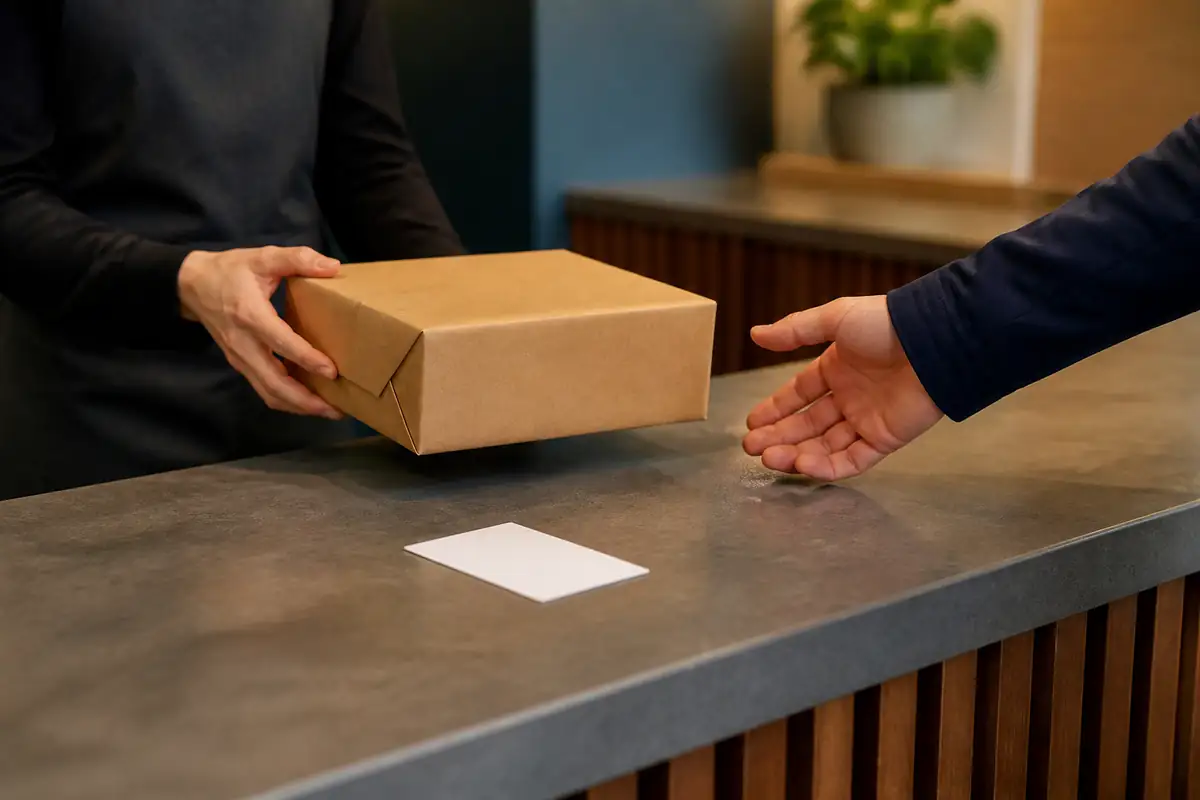
This is general information, not legal advice. Retailer windows, ID, stock systems and return routes vary and change. Recheck the exact order before purchase. The image is an editorial illustration, not a photograph from a product test.